For para-athletes, mid-game and pre-competition repairs are typical. Even in the most competitive settings, wheelchairs, prosthetic limbs, and other essential equipment can and do malfunction.
This can happen especially in a high-contact sport like wheelchair rugby. At the halftime of Germany’s wheelchair rugby match versus Canada at the Paralympics in Paris, Jens Sauerbier needed a wheelchair repair since he was missing a vital component.
The athlete stated: “The metal cage at the front of my chair broke. They welded it for me during halftime, then I was ready to go again.” Technicians had to weld the chair back together in ten minutes. If not, Sauerbier claims that he would have lost the game.
He further declared: “If you’re driving against other people at 15/20 km/h, some things might break… These are athletes that are competing at their absolute highest. They’re breaking world records, so they’re going to break stuff.”
Prosthetics manufacturer Ottobock, a German medical technology company, was on hand to help Paralympians compete even when their equipment malfunctioned. The business claimed to have completed almost 2,700 repairs during the Games and set up a pop-up facility inside the Paralympic Village.
Furthermore, the company claimed that about 45% of the repairs were for prosthetics, orthotics, and other items, while about 55% of the repairs were for wheelchairs. The company was also present at para-athletics and para-archery competitions, but it was also on hand to service competitors’ regular equipment if it broke down and they were impeded or slowed down.
Ottobock has been at every Paralympic Games since Seoul in 1988. The company will also be on hand for repairs at the Winter Paralympics in Milano-Cortina in 2026.
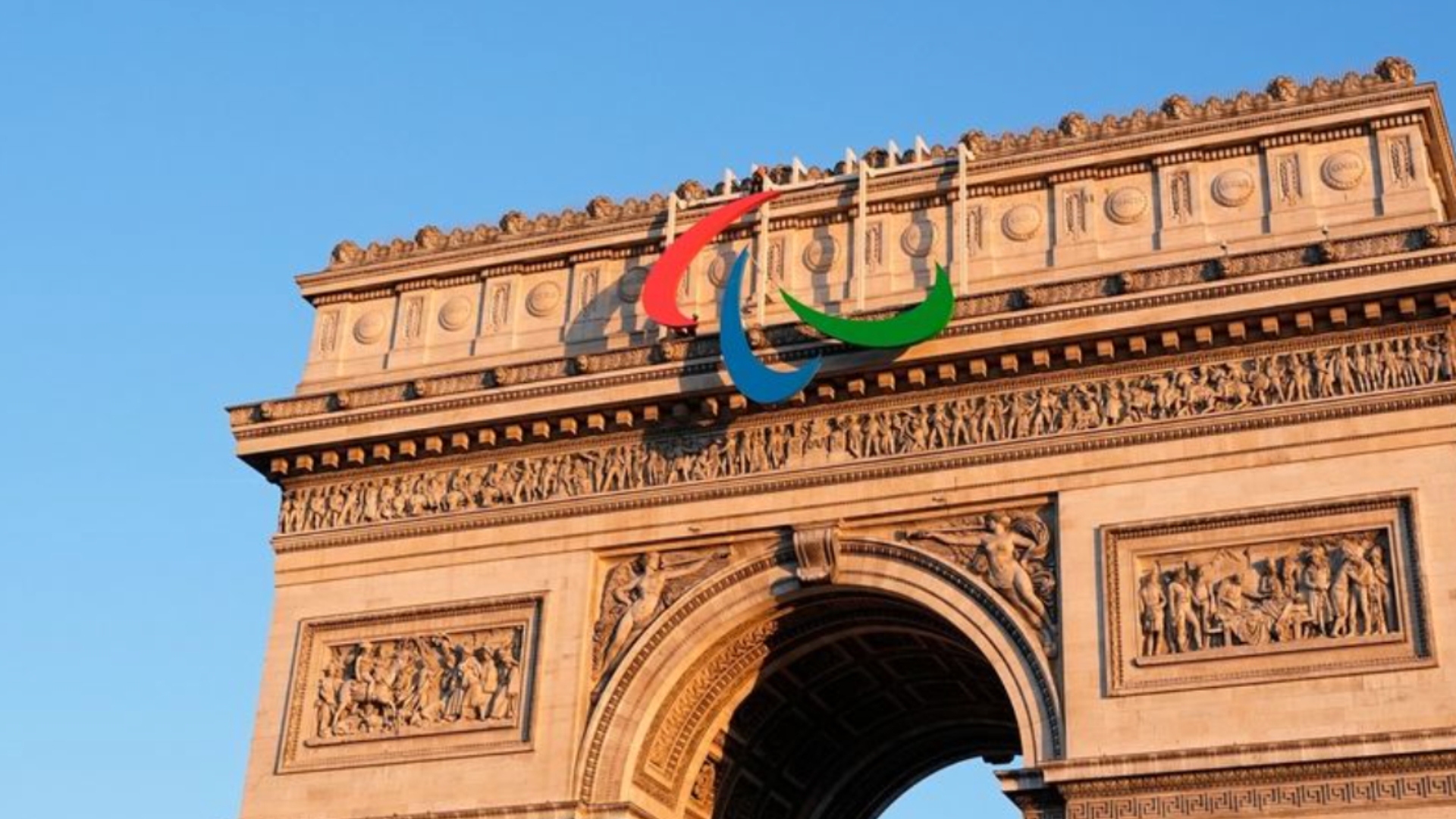
The 2024 Paralympic Games is about to commence in Paris. Over the course of 11 days, thousands of the world’s best athletes will vie for medals in 549 events.
The Games will feature competitions in 22 different sports, including individual and team sports. Here is the list of all the sports included in the Paralympics:
Para Archery
Men and women with physical disabilities may compete standing or in a wheelchair. The event will begin with a ranking round wherein archers fire 72 arrows over 50m or 70m.
Para Athletics
In the marathon, jumping competitions, and track events, competitors can compete with a throwing seat, prosthetic limbs, or a wheelchair (with three wheels).
Para Badminton
Depending on the severity of their impairment, players can participate as singles and couples and are split into six classes (two standing and four in wheelchairs).
Blind Football
A version of football with an audio ball designed for players with visual impairments.
Boccia
Athletes in wheelchairs with severe impairments affecting their motor function compete in a sport where their objective is to roll or throw balls as near to a little white ball known as the “jack”.
Para Canoe
Para athletes race in single-seater boats with a wider bottom for more stability across a distance of 200 metres.
Para Cycling
Athletes ride different bicycles, handcycles, tricycles, and tandems, depending on the type of impairment they have.
Para Equestrian
The para dressage competition consists of three tests: the individual championship test, the team test, in which riders follow a predetermined routine set to music, and the individual freestyle test, in which riders select their own music and routine.
Goalball
For the blind and visually handicapped, goalball is a team sport. In an attempt to score, the attacking team rolls a ball with internal bells quickly across the floor in the direction of the rival goal, which is being guarded by their opponent.
Para Judo
When trying to throw their opponent to the ground, pin them with a pinning hold, or submit them with a joint lock or choke, judokas with visual impairments are required to maintain grip on their opponent’s judogi throughout the entire fight.
Para Powerlifting
A bench press competition with 10 weight divisions for both genders.
Para Rowing
Based on their gender and handicap category, rowers compete in four 2,000-metre events; boats with fixed seats are available for rowers without leg function.
Shooting Para Sport
Competitors fire from 10m, 25m, and 50m distances in rifle and pistol events. They can stand, kneel, use an elbow support table, or sit in a wheelchair or shooting seat.
Sitting Volleyball
Two teams of six players slide across the court using their arms to maintain their seated position in this smaller volleyball match with a lower net.
Para Swimming
Over a range of distances, athletes compete in the breaststroke, backstroke, butterfly, freestyle, and medley.
Para Table Tennis
Athletes with a variety of disabilities now participate in the sport, which was formerly restricted to wheelchair-bound competitors. In both singles and doubles, the match is decided in the best of five sets.
Para Taekwondo
A single-round competition is held for athletes who are limited in one or both upper limbs. Points are earned by striking the opponent in the chest.
Para Triathlon
Athletes run 5 km, bike 20 km, and swim 750 metres. In the transition zones of the event, a handler helps athletes in the seated class who use a handcycle. On the bike, athletes with visual impairments ride in tandem with a guide.
Wheelchair Basketball
Played on a court and hoop the same size as Olympic basketball, players risk a penalty for travelling if they don’t pass or bounce the ball every two pushes of the wheels on their chairs.
Wheelchair Fencing
In foil, épée, and sabre competitions, wheelchair-using competitors use a customized frame that is fixed to the ground, keeping them in close proximity to their rivals.
Wheelchair Rugby
A mixed-gender team sport in which players with varying degrees of paralysis in all four limbs compete. Carrying the ball across the opponent’s try line is the goal of the intensely physical sport known as “Murderball,” which is played in specially made manual wheelchairs.
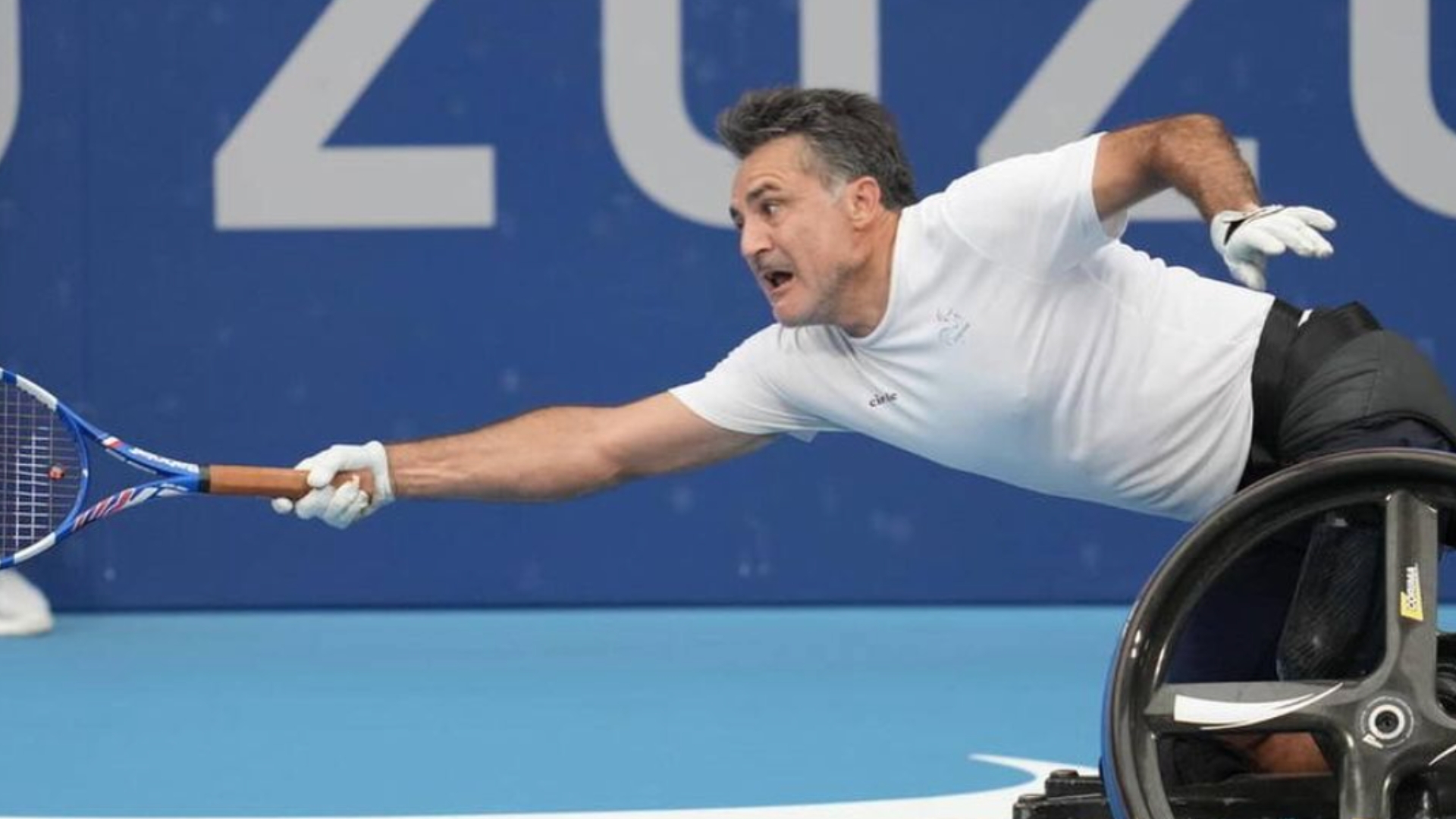
Wheelchair Tennis
Athletes with lower limb impairments, as well as those with upper and lower limb disabilities, can compete in singles and doubles matches; the ball is allowed to bounce twice before it must be returned.
Prepare yourself to see an exciting change in the Olympic venue this summer as the Paris Games take a daring turn. The track will be decorated in vivid purple instead of the traditional red brick clay.
Parts of the vulcanized rubber track, painstakingly made in a northern Italian factory, are installed in the historic Stade de France, the nation’s stadium, breaking with tradition. A dynamic evolution in the quest for athletic excellence on the global stage will be marked by athletes leaving their stamp on history with every stride they take against this unique backdrop.
An unexpected sight as the construction site comes to life is the workers engaged in what can only be called “track rolling.” Wearing their protective hats, they get down on their hands and knees and carefully unfold each track strip. With a hammer stroke that sounds like artisans at work, they firmly anchor each strip in place.
New track tech
Using this special method, more than 1,000 rolls are painstakingly positioned, requiring a month’s worth of work and an astounding 2,800 pots of adhesive. It’s evidence of the painstaking workmanship and collaborative effort propelling the project ahead, transforming the ordinary into an impressive demonstration of ability and commitment.
Three world records and twelve Olympic marks were broken on Tokyo’s red-brick track three years ago. Paris will be even better, according to Mondo, a track supplier since Montreal in 1976.
Cutting energy loss and improving performance, new-generation granules increase elasticity while sophisticated algorithms improve the geometry of the air cell. With more records expected at the Stade de France, Alain Blondel, the director of the Paris Games and Paralympics, is optimistic. Prepare for an action-packed record break.
We know we performed well when we see athletes setting personal records on the scoreboard. They are going to reach their peak physical and mental state, Boldnel quoted abcnews.
In a factory located in northern Italy, vibrant purple sections of vulcanized rubber track are being manufactured for the Paris Olympics, aiming for one clear objective: records.
Following the staggering success of three world records and 12 Olympic marks set on the Tokyo track, anticipation mounts for further record-breaking performances at the iconic Stade de France.
Hence, Mondo, the longstanding provider of tracks since the 1976 Montreal Olympics, embarked on a redesign journey post-Tokyo to ensure unparalleled quality for the world’s fastest athletes.
Track and pools expected
Mondo, renowned for releasing recordings since 1976, exhibits an unwavering commitment to quality, recently innovating track technology for the Paris Olympics.
With enhanced elasticity and performance, athletes can expect historic accomplishments. Under Maurizio Stroppiana’s supervision, the track at Stade de France promises quick and accurate installation, despite weather constraints. Stroppiana is the vice president of Mondo’s sports division.
Maurizio Stroppiana said, “The athletes will find this track to be more reactive and better suited for their competition.”
Mondo is scheduled to introduce a new track at the legendary Stade de France, which is best known for hosting the 2003 world championships in athletics, for the third time.
Under Stroppiana’s supervision, the track is installed by first placing it on an asphalt base and then adhering to it using adhesive, which guarantees both quickness and accuracy.
The team intends to work nonstop, making the most of every hour to do quality work even in the face of impending weather and schedule constraints.
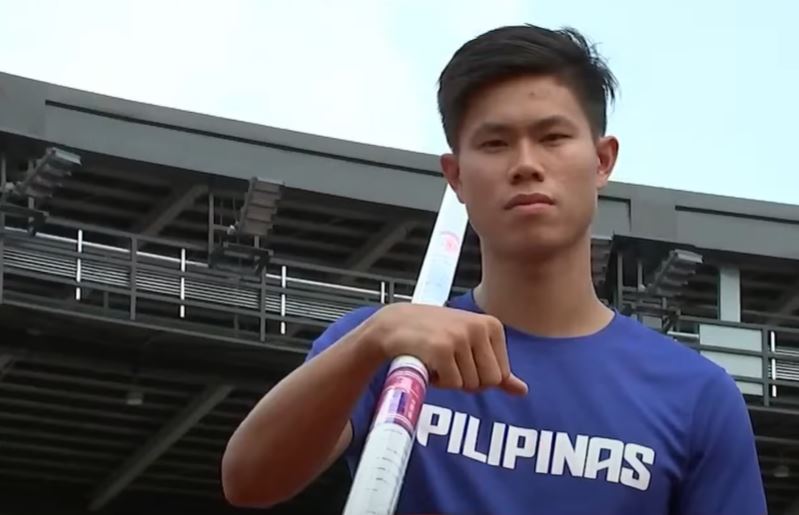
Last Aug 31, EJ Obiena competed in the Zurich Leg of the Diamond League, only to finish last out of all ten contenders. News of his dismal finish quickly spread throughout the internet, seemingly drawing attention as much as Duplantis’ huge victory at the same event.
Recording a 5.60, this was EJ Obiena’s worst performance since he placed 11th at the Tokyo Olympics. His physiotherapist, Antonio Guglietta, said fatigue contributed to his worst performance of the season.
“He’s still too tired,” Guglietta said,
“He was unable to recover after the world championships, but fortunately, this was not an important match since he already qualified for the Diamond League final.”, he explained.
EJ Obiena’s Gold Medals in Germany
Rather than surrendering to exhaustion, EJ Obiena rose to the challenge and returned to form. He then competed in two events in Germany, the Istaf Berlin held at the Olympiastadion and the NetAirchner Domspringen held in Aachen, both of which were held a few days apart. Despite his poor performance in the Zurich leg, Obiena was able to triumph in both tournaments, demonstrating to the world that his poor performance should not be used as a measure of his pole vaulting ability.
On September 4, EJ Obiena went back to his normal self and soared to a glorious height of 5.92 meters at the Istaf Berlin. He then went on to the NetAachen Domspringen on September 6 and cleared another record of 5.92 meters.
EJ Obiena went from last place to first place in a matter of days, clinching two gold medals for the Philippines and demonstrating to the world the power of perseverance after failure.
Obiena’s Bronze at Brussels Diamond League
On September 8, Obiena then went on to the Brussels leg of the Diamond League and cleared another 5.92 meters, performing consistently throughout his past three competitions and making it to the podium each time.
He lagged behind Armand Duplantis (first place) and Sam Kendricks (second place) at the meeting.
“Happy with the consistency but definitely lots of things to work on. A few more days in Europe before we head to Eugene for the Diamond League Final,” wrote Obiena in a Facebook post after match.
Obiena’s Silver Medal in Oregon, USA
At the Wanda Diamond League Final, Obiena went head to head with the Swedish pole vaulter again, Armand ‘Mondo’ Duplantis, whose goal was not only to clinch gold but also to break his own world record.
Only the two of them were able to clear the 5.82 meter-height in the competition, which meant that Obiena’s place on the podium was already set even if he did fail to beat Duplantis.
When the bar was raised to a new height of 6.02 meters, Obiena, unfortunately, was not able to clear the distance. Meanwhile, Obiena hurdled past the distance with ease and went on to improve the distance and register a new world record of 6.23 meters at the event.
Nevertheless, Obiena’s silver medal still made the Philippines proud.
Hangzhou Asian Games
After the Diamond Final, Obiena is set to compete at the upcoming Hangzhou Asian Games. The competition will be held from September 23rd to October 8th, and fans are eager to see if the Filipino pole vaulter can continue his success in China.
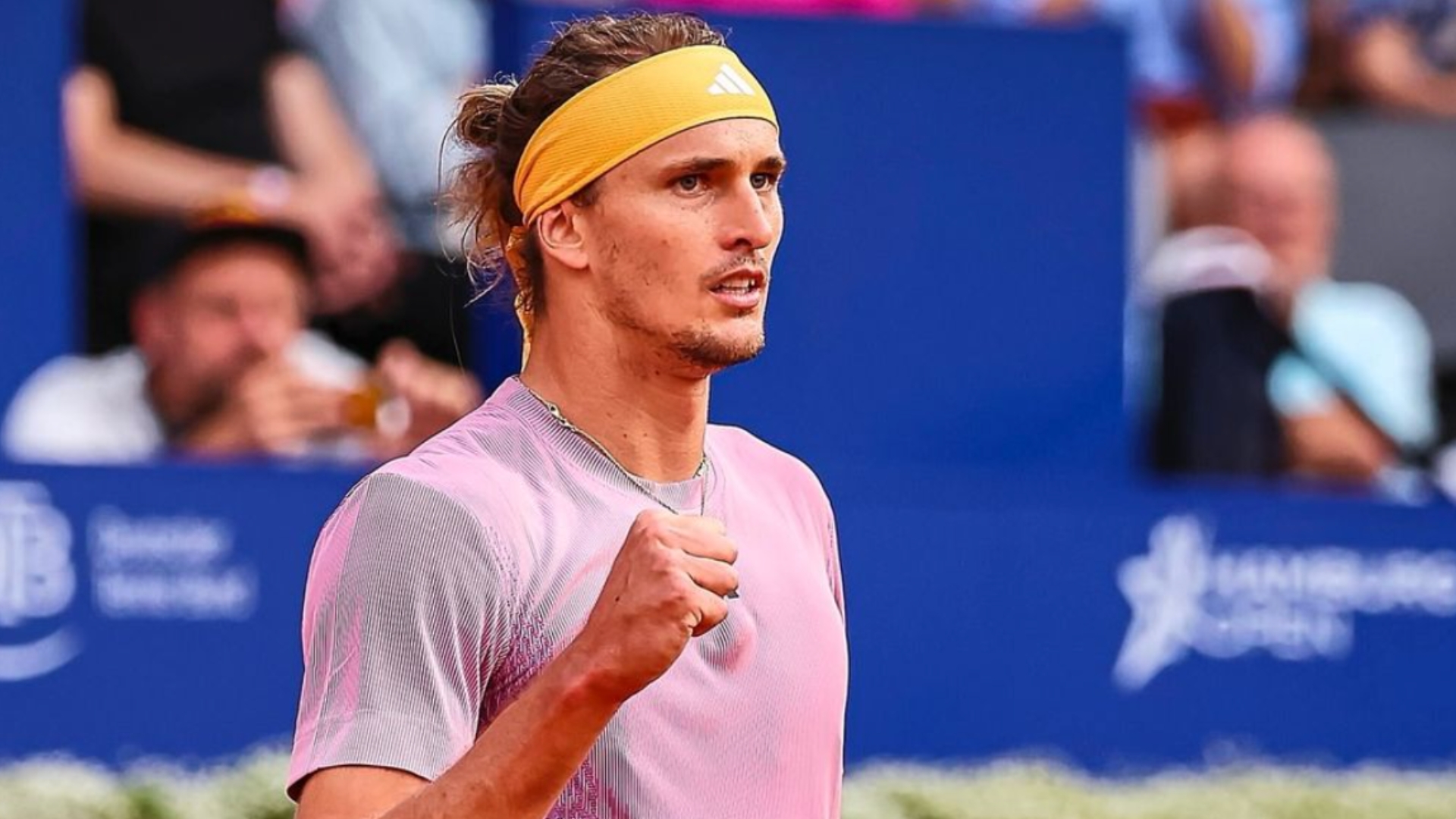
Alexander Zverev, the current Olympic champion, believes his knee injury sustained at Wimbledon won’t affect his chances of winning gold in Paris, but he claims it hasn’t fully healed.
In his third-round victory against Cameron Norrie at the All England Club, the German stumbled and injured his knee. He claimed to have played with only his one leg dominant in his fourth-round defeat to Taylor Fritz. However, Zverev competed in his home city event in Hamburg last week, making it to the championship match before falling to Arthur Fils.
The athlete described his ailment as a torn capsule and bone edema and stated surgery was not necessary. He said: “To be honest, you know, the risk will stay for the next two, three, four weeks maybe because that’s how long the bone heals, and that’s what everybody told me.”
He added: “But, at the end of the day, I also knew that I don’t want to rest for four weeks because now, we’re playing on the surface where I don’t see that big a risk of making the same motion again and doing the same movement again.”
Zverev and the upcoming Olympics
Aside from playing for his home country, Zverev is among the athletes from Germany who are considered to be raising their national flag during the opening ceremony.
With this prestigious opportunity, he admitted: “If someone told me that I should walk in as a flag bearer, it would mean even more to me, to be honest (than winning the Olympics)… Leading an entire nation and so many top German athletes into the Olympics is simply the greatest honour an athlete can receive. And, of course, the gold medal I won at the last Olympics is one of the highest achievements you can have in sports and, for me personally, the greatest success in my career.”