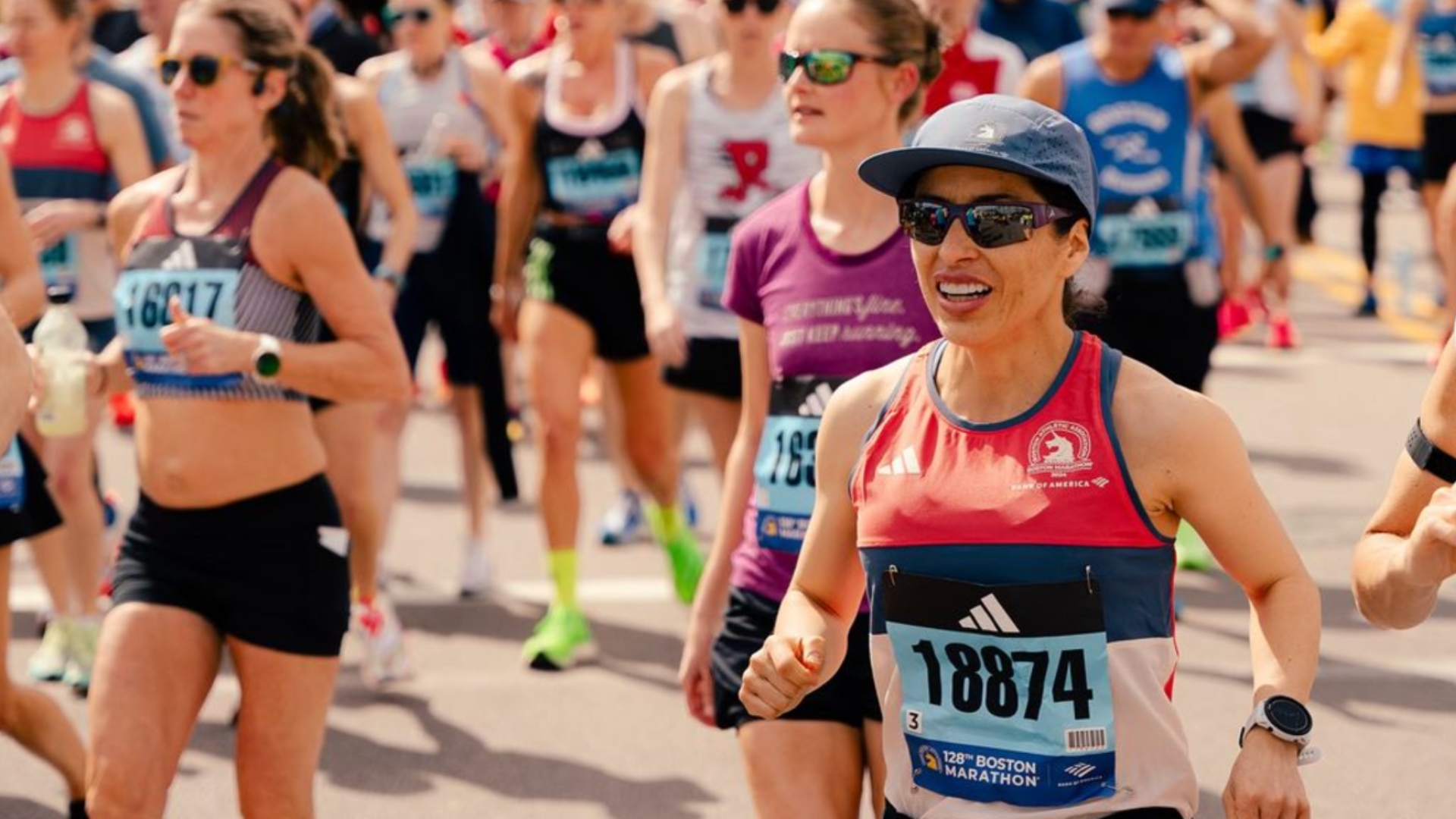
Prize money will be given by the Boston Athletic Association (BAA) to athletes who were beaten by doping offenders in races.
Athletes who were eligible for awards after their scores were re-ranked because the doping offenders were disqualified are being contacted. The compensation would apply to runners from 1986, when the BAA first introduced the prize money.
BAA President and CEO Jack Fleming said: “While the multi-step process to reclaim and redistribute prize money has been complex and time-consuming for all involved, we have worked – and continue to work — diligently towards a resolution that supports clean athletes.”
He added: “We are doing what we can to ensure fair competition among athletes, and we will always seek to play host to the fairest of playing fields at all of our events.”
As per the BAA, the voluntary payouts will start in January, and athletes who feel they were affected should submit an application for reimbursement.
In recent years, there have been numerous doping accusations in marathons, especially from Kenya. Two years ago, Diana Kipyokei of Kenya was banned for six years and lost her 2021 Boston Marathon Championship due to doping.
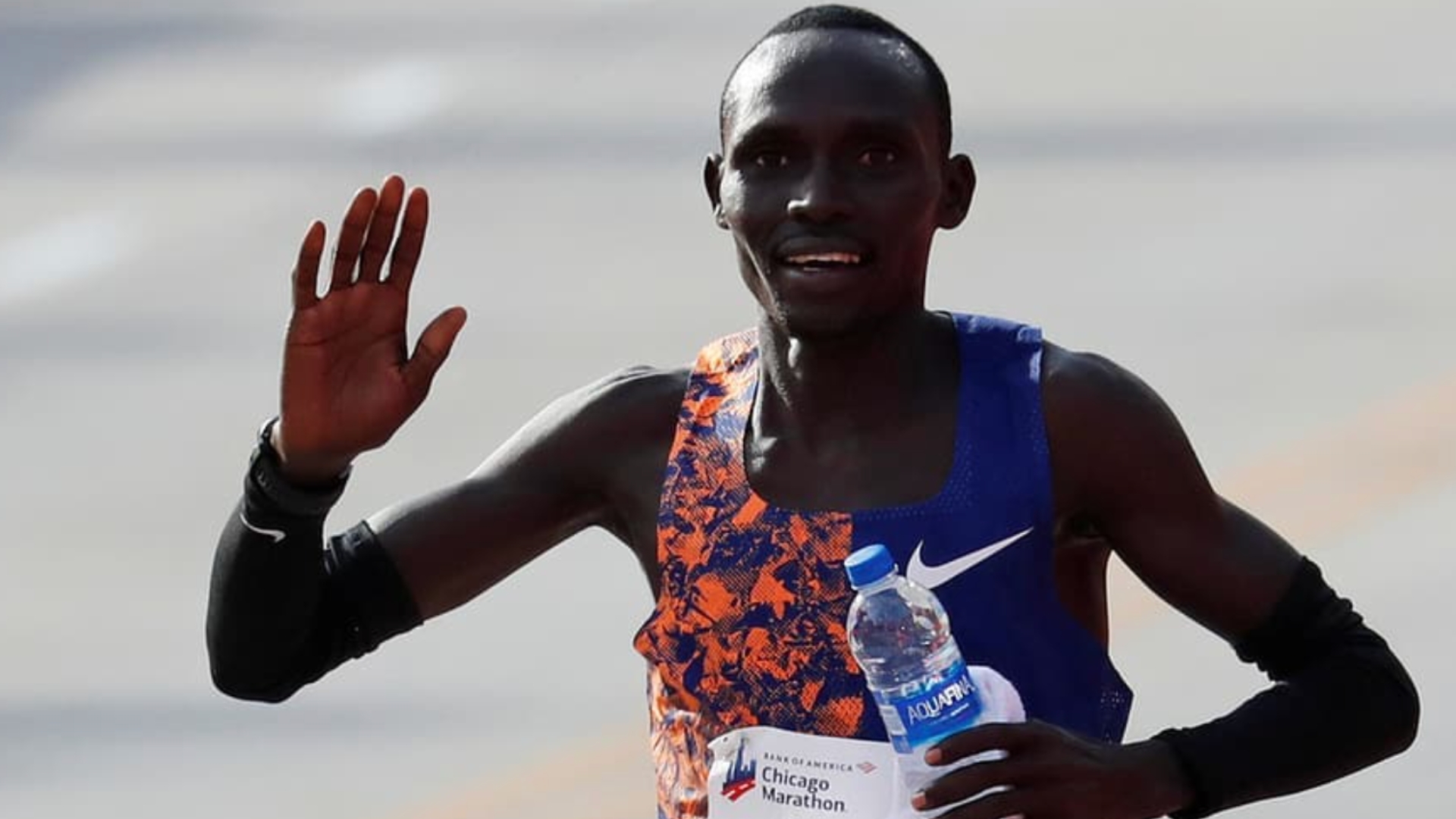
Lawrence Cherono, a Kenyan marathon runner, was banned for seven years for breaking anti-doping regulations.
Following the four years for testing positive for a prohibited substance, the 35-year-old athlete was also handed four years for trying to obstruct or distort the inquiry, which was shortened by one year for early admission and acceptance of the penalty.
In July 2022, Cherono was placed on temporary suspension following a positive test result for the cardiac drug trimetazidine (TMZ). Unfortunately, he won’t be permitted to compete until 2029 because the ban is relevant to his first suspension.
On Cherono changing the story
The former Chicago and Boston marathon winner initially blamed the positive test result on an injection he received from a physician for stomach pain treatments. Cherono then altered his narrative, claiming that his wife’s prescription had been mixed up.
“This decision is testament to the tireless and persistent efforts of the AIU in investigating doping and the explanations provided for positive tests,” the Head of the Athletics Integrity Unit (AIU) Brett Clothier said.
He added: “The AIU will leave no stone unturned in carrying out its mandate.”
In other related news, Russian figure skater Kamila Valieva tested positive for TMZ just before the 2022 Winter Olympics, leading to a four-year ban earlier this year. Moreover, the China Anti-Doping Agency concluded that 23 Chinese swimmers who tested positive for the drug in 2021 were able to compete at the Tokyo Games because they had accidentally consumed the substance through contamination.
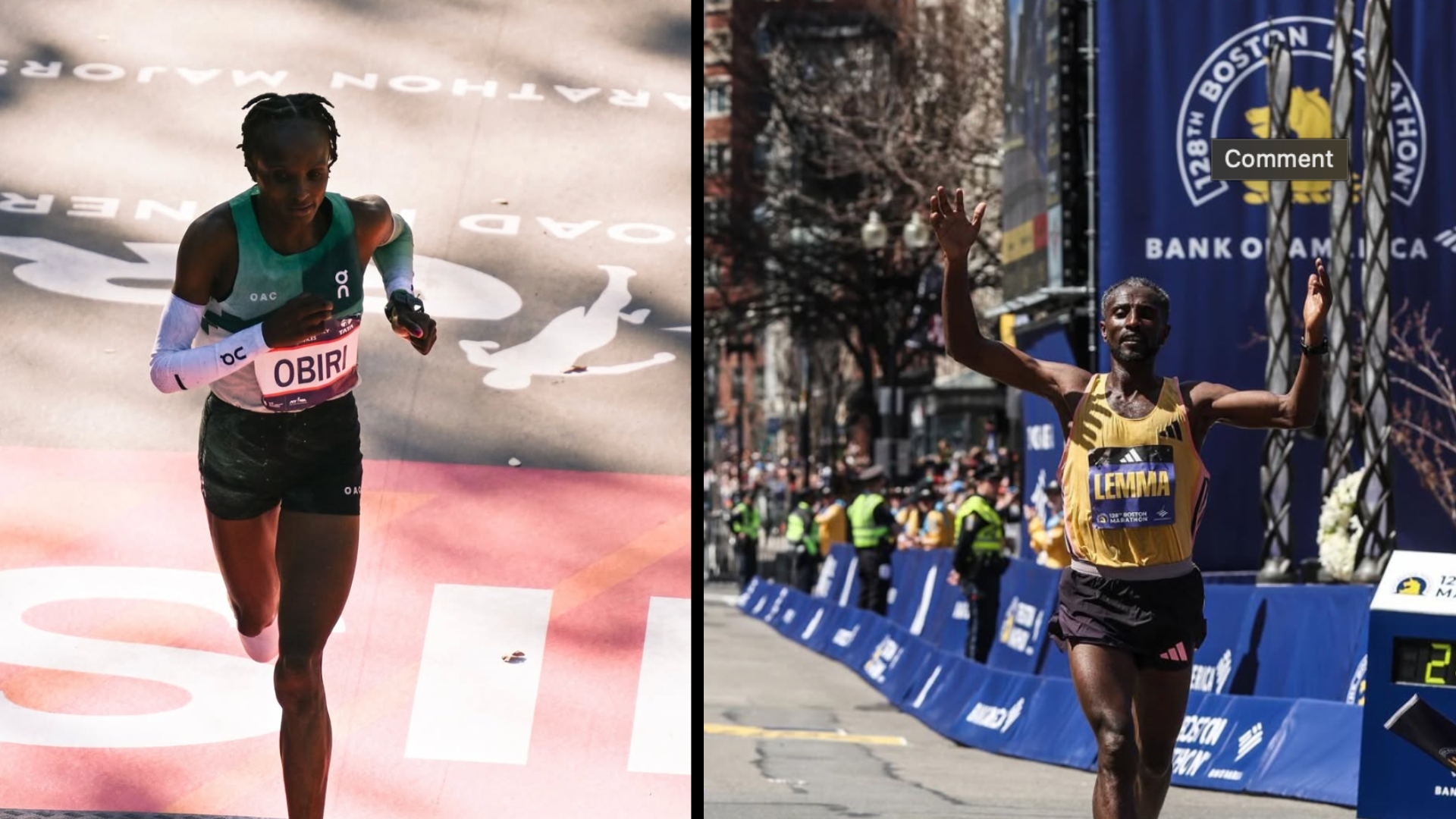
The Boston Athletic Association announced that Kenyan Hellen Obiri will aim for a third consecutive Boston Marathon win in April, while Ethiopian Sisay Lemma will also defend his championship title in the fast men’s division.
Since her marathon debut in 2022, the 35-year-old Kenyan has dominated the distance event. Obiri has also won the New York race in 2023 and took home bronze in the Paris Olympics last year.
Obiri, who will be defending her Boston Marathon title, said: “Defending a win is never easy, and to win the Boston Marathon twice in a row was hard, but I am happy to have done it… On race day I will again push for the win and hope to make it three in a row.”
Obiri will be joined at the starting line by former champions Edna Kiplagat, also from Kenya, who has won twice, and Des Linden of the United States.
In an Instagram post, Obiri shared: “Back to the @bostonmarathon in April aiming for title #3”
Lemma is now deemed to be the fastest man in the competition with a personal best record of 2:01:48. He will now compete against a strong Kenyan group of athletes, including Chicago champion John Korir and two-time winner Evans Chebet.
Lemma declared: “I was very happy after winning the Boston Marathon last year, and in 2025 I know it will be an even bigger challenge to win again… I was not completely ready at the Valencia Marathon last December, but I will be 100 per cent ready next April because the Boston Marathon is a special event.”
The Boston Marathon’s 129th race is scheduled to be on April 21, 2025.
The head of the European Olympic Committee, Spyros Capralos, stated that the decision made by World Athletics to provide prize money to gold medallists at the upcoming Olympics in Paris is discriminatory and goes against Olympic values.
The context
World Athletics (WA) and the International Boxing Association (IBA) have announced medal payments for their respective winners. WA is awarding its 48 Olympic champions in Paris $50,000 in prize money.
Silver and bronze medallists won’t be paid in cash at these Games; instead, they will be paid at the Los Angeles Olympics in 2028, under the direction of WA, led by former Olympian and current International Olympic Committee (IOC) member Sebastian Coe.
Moreover, the IBA has declared that from July 26 to August 11, it will give money to all its medallists — $100,000 to gold, $50,000 to silver and $25,000 to bronze medal winners.
The opposition
The IOC, which views these decisions as direct meddling in its events without any previous consultation, is upset, and so are other international federations.
“We believe in the Olympic Games the athletes go there to compete for the values of the Olympic Games and their last preoccupation is to get money and bonuses,” said Capralos, an IOC member.
The member added: “I think that every country through their National Olympic Committees and governments have set bonuses for athletes winning medals… I think just giving some money to the gold winner is discriminatory and does not follow the principles of solidarity.”
Overall, 32 sports and 10,500 competitors are expected to compete in Paris.
With the IBA, Capralos stated, there was no contact at all.
“Regarding boxing there is no international boxing federation. With them (IBA) there have not been any discussions,” Capralos admitted.
The IOC withdrew recognition from the IBA last year for a number of reasons, including matters of governance and finances. Due to this, the IBA is not hosting the boxing competition at the Olympics in Paris. Moreover, the IOC has called for the establishment of a new international organization for the sport and issued a warning to athletes whose national federations supported the IBA rather than its IOC-approved replacement that they would not be permitted to compete in the 2028 Summer Olympics in Los Angeles.
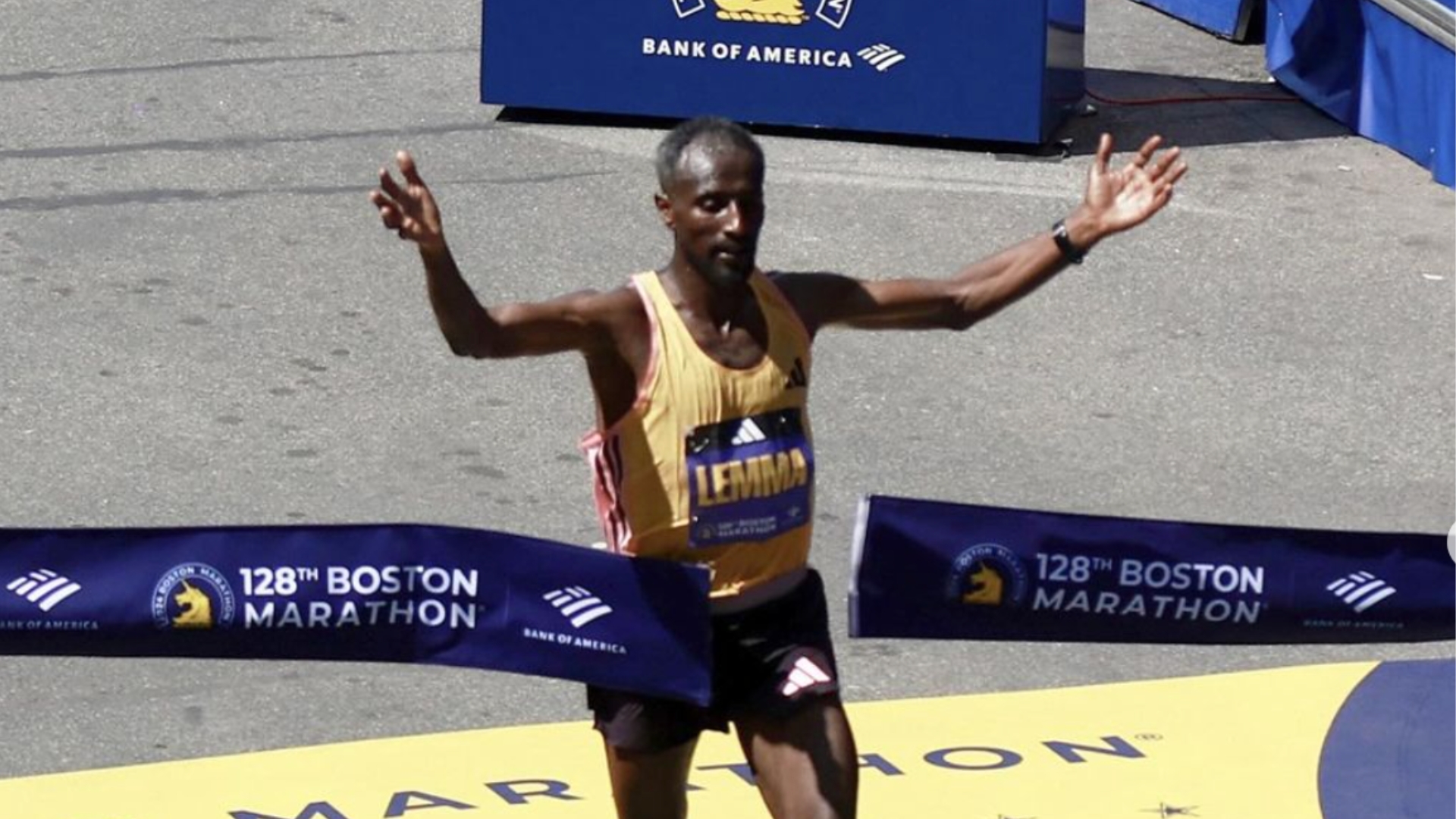
Sisay Lemma of Ethiopia won the Boston Marathon on Monday for the first time, with a record of 2:06:17 for the men’s event. Lemma set the early pace, launching into a commanding lead. After finishing the Valencia Marathon last month in 2:01:48, he is now the fourth-fastest man in history.
Even though the pursuing group got closer to Lemma as the race went on, the 33-year-old managed to hang on for his second major marathon triumph, following his 2021 London Marathon win.
Lemma finished one minute and five seconds ahead of double-defending champion Evans Chebet in third place, and 41 seconds ahead of Mohamed Esa in second.
Lemma: Hot favorite
With his exceptional results in his previous games, Lemma is now deemed one of the favorites to win a gold medal at the 2024 Paris Olympics.
Moreover, in the women’s race, Kenyan Hellen Obiri held onto her championship from 2023.
Everything hinged on a thrilling finish between Sharon Lokedi, the previous New York City Marathon champion, and reigning champion Obiri. The last four miles saw the two running neck and neck, but Obiri managed to push ahead and hold onto her title by just eight seconds after finishing in 2:22:37.
Obiri is the first female winner of the Boston Marathon in back-to-back years since 2004’s and 2005’s Catherine Ndereba. In November 2023, she also triumphed in the New York Marathon.
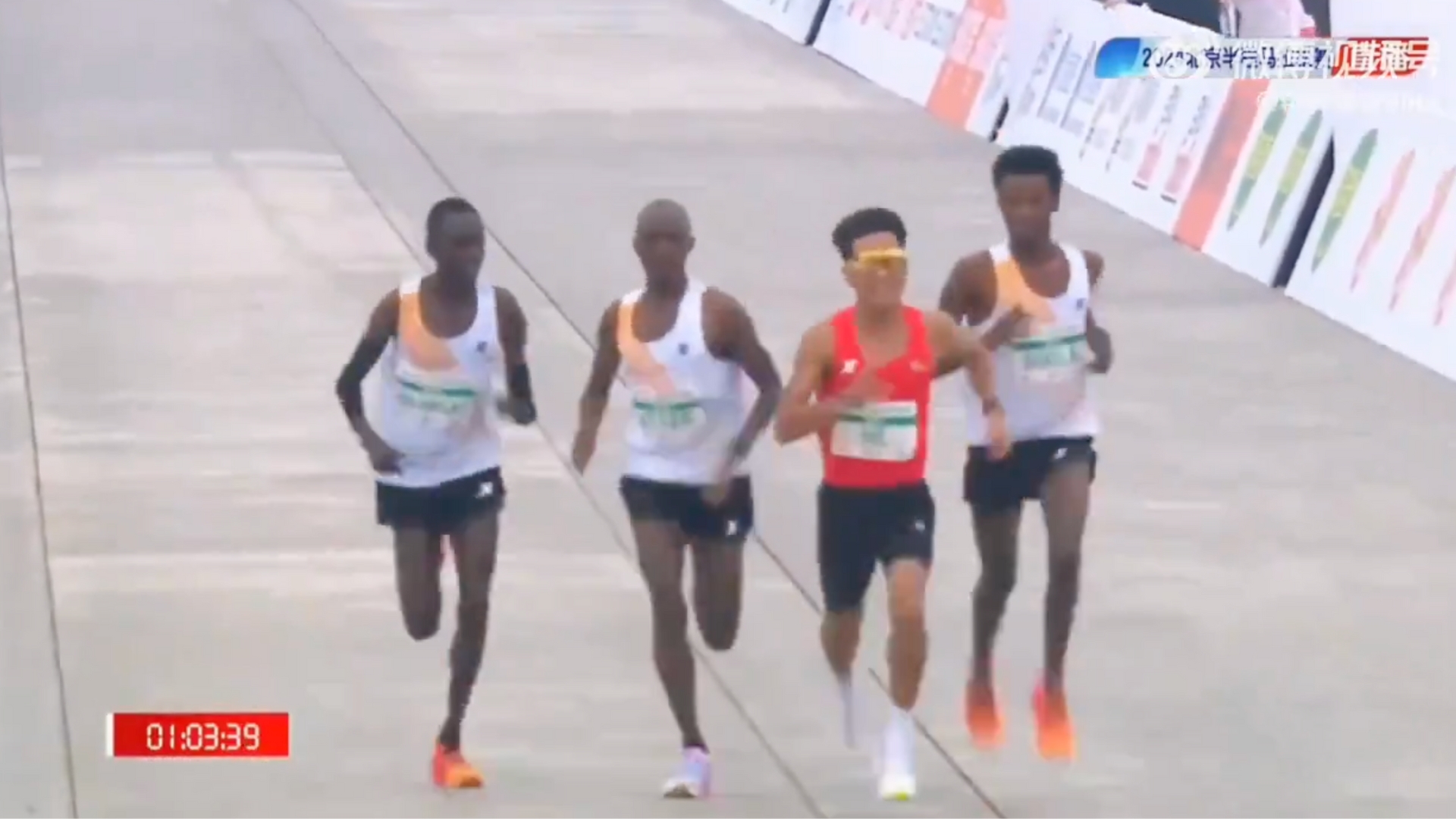
Organisers of the Beijing half marathon are investigating allegations that three African athletes deliberately allowed China’s star runner He Jie to win Sunday’s race.
The event generated questions and suspicions due to unruly comments speculating from the players and spectators. The track and field competition became controversial after Chinese athlete He Jie was declared victorious despite accusations from other competitors. After the 13.1-mile race, conversations erupted on Chinese social media, which led to an official inquiry.
Rumors were circulating that one of the other competitors acknowledged allowing He Jie to win out of camaraderie. The moment Kenyan competitors Robert Keter and Willy Mnangat, Ethiopian Dejene Hailu, and local runner He Jie reached the finish line was captured on camera during the race, adding more fire to the existing controversy about the race’s true story.
Marathon cheats
The last kilometers of the Beijing half-marathon transpired with much mystery. The two Kenyan runners and one Ethiopian, and 25-year-old Chinese athlete He Jie—who had won the marathon gold at the 2023 Asian Games—were among leading. These four competitors were said to have kept a tight pace the whole race, appearing to coordinate from the start.
Spectators saw a turning point as the race was coming to a close. He Jie fell behind his colleagues from East Africa. Perceiving the change in circumstances, the Ethiopian and Kenyan runners, as well as their Chinese rival, seemed to slow down, giving him a tiny advantage. With a tiny one-second margin of victory, this quiet yet powerful gesture helped him cross the finish line.
Sports commentators were aware of the runners’ coordinated effort and noted that the four of them worked well together throughout the race. The Beijing Half Marathon aftermath has drawn a great deal of attention and reproach, with state-run news agency China Daily denouncing the event as a “mockery” of sports integrity.
He Jie’s goals to compete in the Olympics in Paris are unaffected by the scandal, but the fiasco has damaged China’s reputation for sportsmanship.