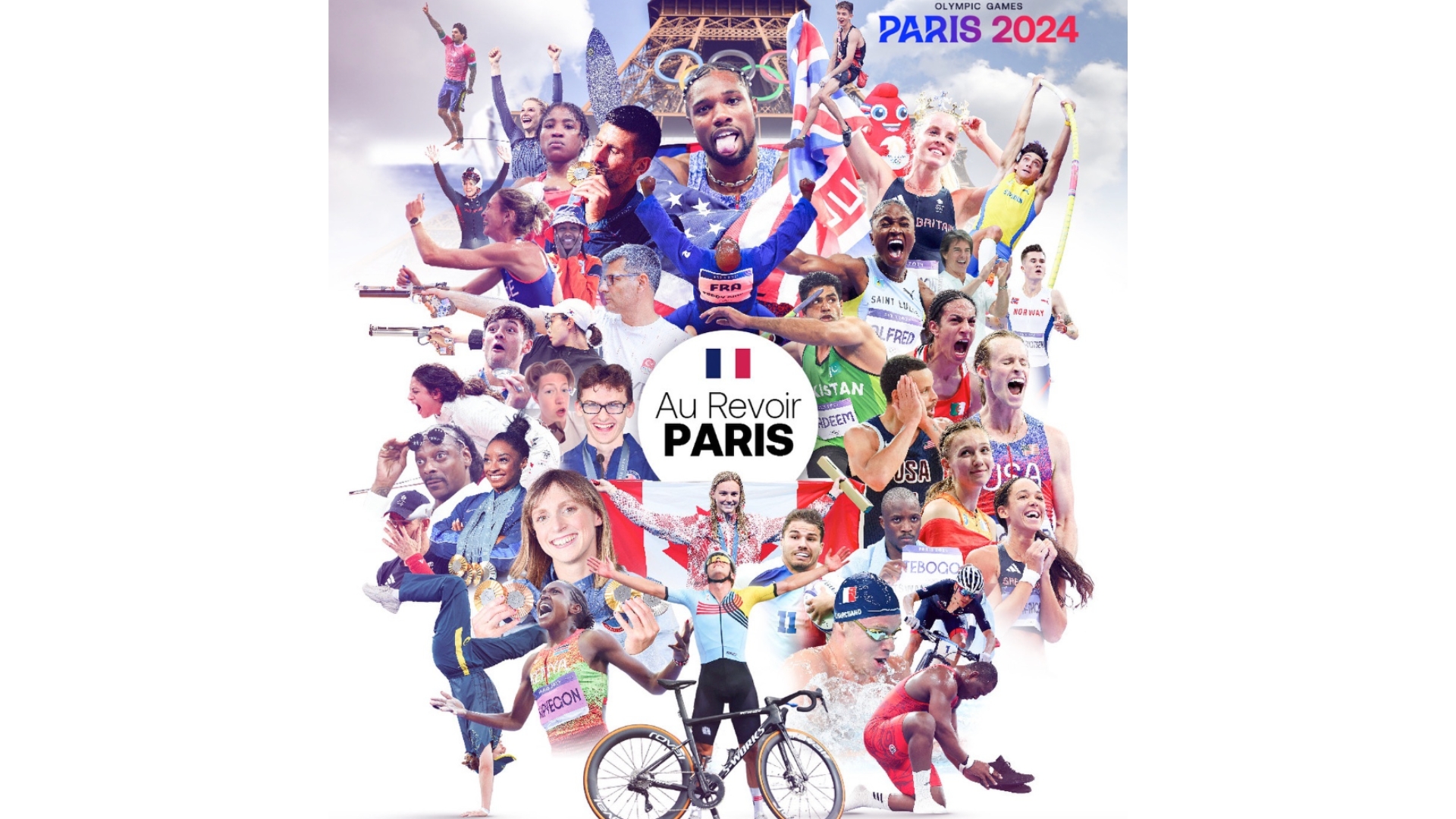
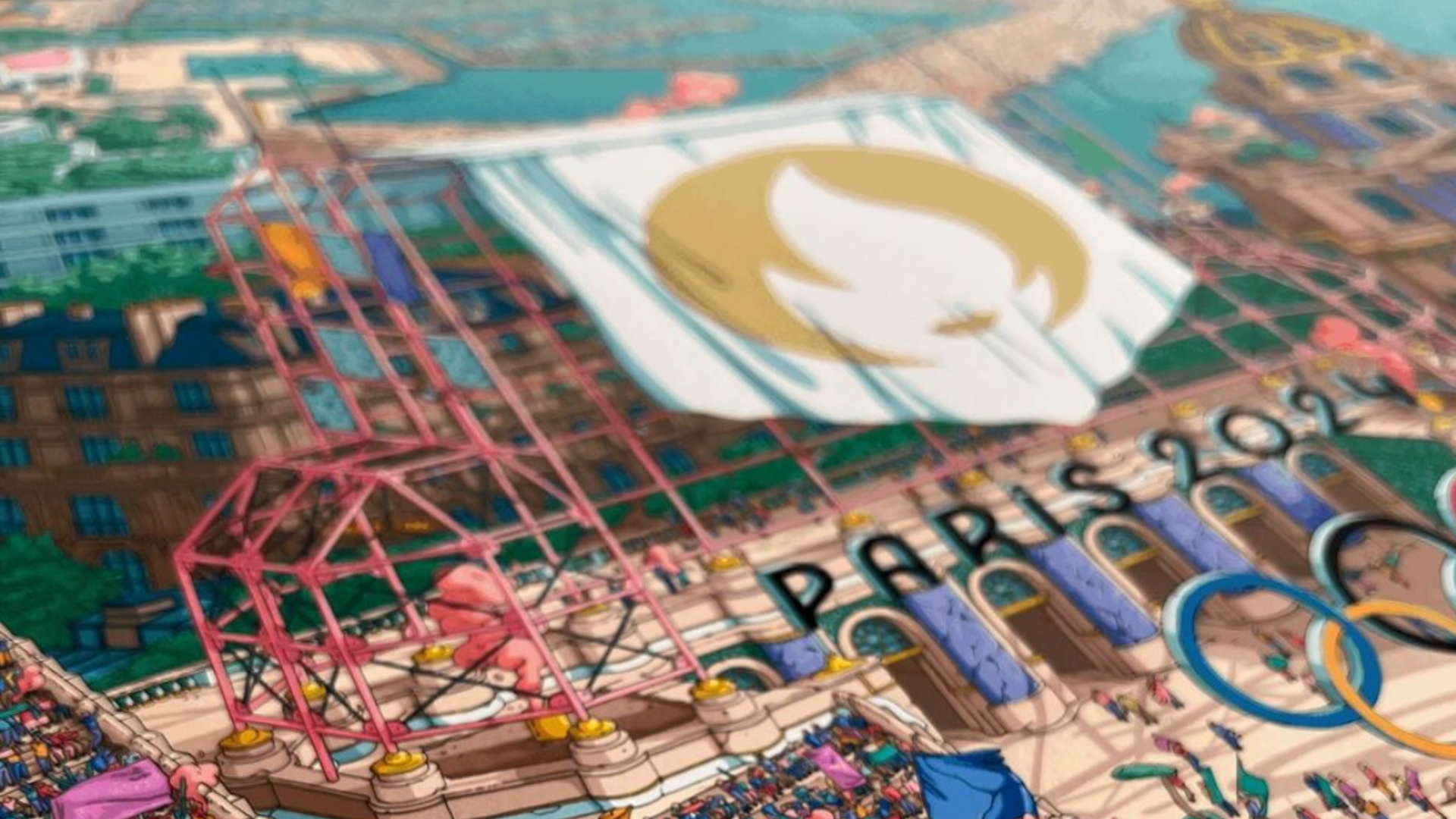
Netizens have criticized a Paris Olympics poster from the television network Eurosport as racist since it did not include any Chinese or Japanese athletes, though China finished second and Japan third in the medal standings.
The poster showcased some of the biggest stars from the recently concluded Summer Games this year. In a social media post, the caption stated: “The Greatest Show on Earth… Paris 2024, we will never forget you.”
However, there is hardly any Asian athlete in the poster. One netizen commented: “Kind of sad to see China nor Japan here (2nd and 3rd overall), yes it is Eurosport so naturally a lot of European athletes are celebrated and LA explains the amount of Americans but a bit more equality will be nice… especially for Japan, hosted the last games, has IOC sponsors as well…”
Another netizen declared: “Can someone make another version of this poster to include Asian athletes? This is embarrassing.”
Others find it inappropriate that Snoop Dogg and Tom Cruise are included in the poster. A netizen commented: “So Snoop Dogg and Tom Cruise are featured but not any Asian athletes? Got it”
Others said: “The worst Olympics ever. Never talk about diversity again!! ️Discrimination in the country”, “Poor diversity of athletes. Almost no Asian representation. I find it very disrespectful”, “This racism is so exhausting and outdated. Can’t believe there are still people in this world TODAY who are just in this old mindset. Like, GET OVER IT. It holds us back in humanity.”
The curtain fell on the Paris Olympics late on Sunday (July 11) night local time, with a dazzling closing ceremony ending two weeks of heart-pounding sports action.
The event was a celebration of unity, culture, and athletic prowess, with a touch of Hollywood glamour thrown in for good measure.
Australia’s athletes were proudly led by flag bearers Kaylee McKeown and Matt Wearn. The party kicked off with a surprise performance by sensation Raygun, who had the Aussie team grooving to his beats.
The Stade de France was transformed into a global stage for the athletes’ parade, cultural performances, and a surprise appearance by none other than Tom Cruise. As the ceremony progressed, the focus shifted to a live music performance on the beach in LA, setting the stage for the 2028 Games.
Where is New Zealand: Mishap or deliberate?
However, the most talked-about moment came from an unexpected source: the stage itself. Designed to represent a map of the world, it left many viewers scratching their heads when they noticed a glaring omission – New Zealand was nowhere to be found. The oversight didn’t stop at the Kiwis; other island nations like Madagascar, Indonesia, and the Philippines were also missing from the stage map.
The Paris Olympics organizers described the stage as a “symbolic planisphere,” but that explanation did little to quell the amusement and frustration on social media. Kiwis, in particular, had a field day, with some joking about their apparent erasure from the global stage.
Despite the map mishap, New Zealand’s athletes shone brightly, securing ten gold medals and finishing 11th on the medal tally – their best Olympic result yet. Australia finished fourth, with the USA and China tied on golds but the USA clinching the top spot with more overall medals.
The weekend saw a flurry of thrilling victories, including Lydia Ko’s triumph in women’s golf, Lisa Carrington’s gold in canoe sprint, and Hamish Kerr’s gold in the men’s high jump. Carrington’s three golds in Paris brought her total to eight, cementing her status as the greatest of all time (GOAT) of canoe sprint. Finn Butcher made history by winning the inaugural kayak cross gold, and Ellesse Andrews clinched the women’s sprint on the final day.
New Zealand’s performance was nothing short of remarkable, with commentators noting that the Kiwis punched well above their weight. Stats guru Bryden Coverdale highlighted the per capita medal tally, where New Zealand’s 10 golds equated to roughly one for every half a million people, outpacing Australia’s 18 golds for every 1.5 million.
Paris Olympics conclude
The closing ceremony also featured a special moment with seven athletes, including Australia’s Emma McKeon, representing the five continents and the Olympic rings,
As the Paris Olympics came to a close, the stage was set for Los Angeles in 2028, but the conversation about New Zealand’s missing representation on the world map will likely continue.
Paris Olympics: China’s billions vs US college sports
Government largesse made China an athletic powerhouse while collegiate sports keeps America a sporting superpower. The two countries, two systems, clashed at the 2024 Paris Olympics, and while both landed the same quantity of gold, the Americans were awash with more silver and bronze.
Yes, the Americans went home with a bigger haul in a virtual repeat of the Tokyo Olympics, where they won one more gold than the Chinese (39-38) and racked up a bigger medal tally (113-89).
Medal tally
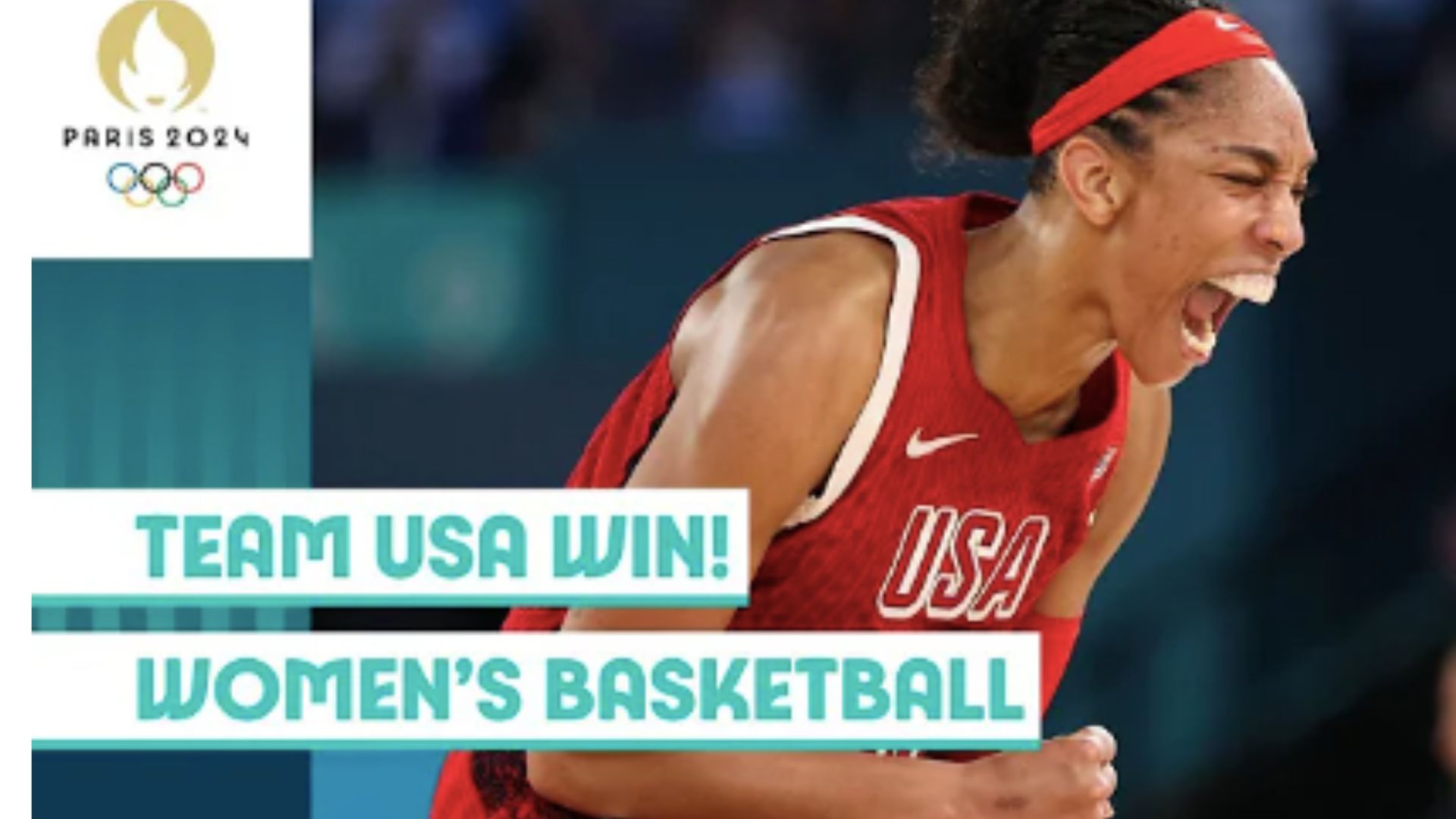
China was leading in the gold haul in Paris until the final day when weightlifter Li Wenwen won the 40th gold medal for China with her victory in the women’s +81 kg. But the Americans caught up to China with two last-day golds — with Jennifer Valente’s victory in women’s cycling and a one-point win over France (67-66) in the women’s basketball final.
So, though China and the USA won 40 gold medals each, the Americans topped the standings for their superior medal tally—44 silver, 42 bronze, 126 medals in all—compared to the Chinese—27 silver, 24 bronze, 91 in all.
“China’s Olympic delegation at Paris 2024 achieved its best overseas performance since it comprehensively participated in a Summer Olympics abroad in 1984, said Zhou Jinqiang, deputy head of the delegation at a press conference held on Sunday,” reported China Daily.
“China’s sports delegation, consisting of 404 athletes competing in 232 events across 30 sports, clinched 40 gold, 27 silver and 24 bronze medals. The haul of gold medals surpassed the 39 golds won at the London Olympics, and a total of 60 athletes claimed golds, marking a new record for overseas Olympic participation, Zhou said.”
At Beijing 2008, China won 48 gold medals and 100 overall.
“You have won glory for our country and people, and we extend warm congratulations and heartfelt compliments to you,” read a message jointly sent by the Central Committee of the Communist Party of China (CPC) and the State Council, China’s cabinet.
“Your outstanding achievements and performances have further ignited the patriotism of Chinese people both at home and abroad, uplifted the national spirit, and united the people towards progress,” added the message.
As the message shows, the Olympics are not just a sporting event but a means to boost Chinese morale and burnish the Chinese image abroad.
China’s billion-dollar sports budget
Karishma Vaswani wrote on Bloomberg: “China has long invested heavily to push its athletes to triumph against the West, as a way of highlighting the merits of the Communist Party. These Olympic Games are no different, but for one key aspect: Citizens are openly questioning why Beijing is spending so much money on a sporting event when many at home are facing bleak economic prospects.”
“China’s budget for sports this year stands at more than $1 billion,” she added. “Compare that to Australia, which also does pretty well in Olympic competitions, but last year only had around a quarter of that at its disposal. American athletes don’t get money from the government, instead they rely on a mix of private sponsorships, philanthropy, broadcast revenue and endorsements.”
The American way delivers great results, too, as the Paris Olympics showed.
How many Americans won medals?
The Washington Post noted: “The Americans won 126 medals, and because of team sports and relays, more than 40 per cent of the team’s delegation of nearly 600 athletes received at least one. Forty-four American athletes won multiple medals and 110 won at least one gold, with that large number stemming from the country’s success in team events.”
The Americans won team events like basketball, women’s gymnastics, men’s 4x400m relay, women’s 4x100m relay, women’s 4x400m relay, women’s 4x100m medley relay, men’s 4x100m freestyle relay, and mixed 4x100m medley relay.
The Chinese won team events such as the men’s 4x100m medley relay, group all-around rhythmic gymnastics, women’s synchronized diving, men’s synchronized diving, men’s artistic gymnastics, men’s and women’s canoe double, men’s doubles, women’s doubles and mixed doubles in badminton. As China Daily noted, 27 of the 40 gold medals won by China came from its six traditionally strong sports — diving, table tennis, badminton, gymnastics, shooting and weightlifting.
The US sporting world is very different. Athletes like sprinter Noah Lyles and basketballer Stephen Curry are celebrities. Their fame and fortune are hard-earned, honed by intensive training and the toughest competition.
US college sports system
As Britain’s two-time Olympic champion and World Athletics president Sebastian Coe, a legendary middle-distance runner, said, “U.S. track and field has a lot to owe to the college system.”
The New York Times says American Olympic officials “know that the American college sports system, which every year sustains and trains thousands of students in Olympic sports — both Americans and international students — is their golden goose.”
Indeed, American colleges and universities train not only American athletes. Top international athletes, too, like the swimmer Leon Marchand of France and the sprinter Julien Alfred of Saint Lucia, have been trained in America. Marchand was a member of the Arizona State University swim team, Alfred trained at the University of Texas.
The overwhelming majority of Olympic medals come from sports that have a presence on college campuses, says the Times.
No amount of government largesse, like the billions reportedly spent by China, has yet reduced the US college-trained athletes to also-rans. In fact, as the Paris Olympics showed, the latter still have an edge.
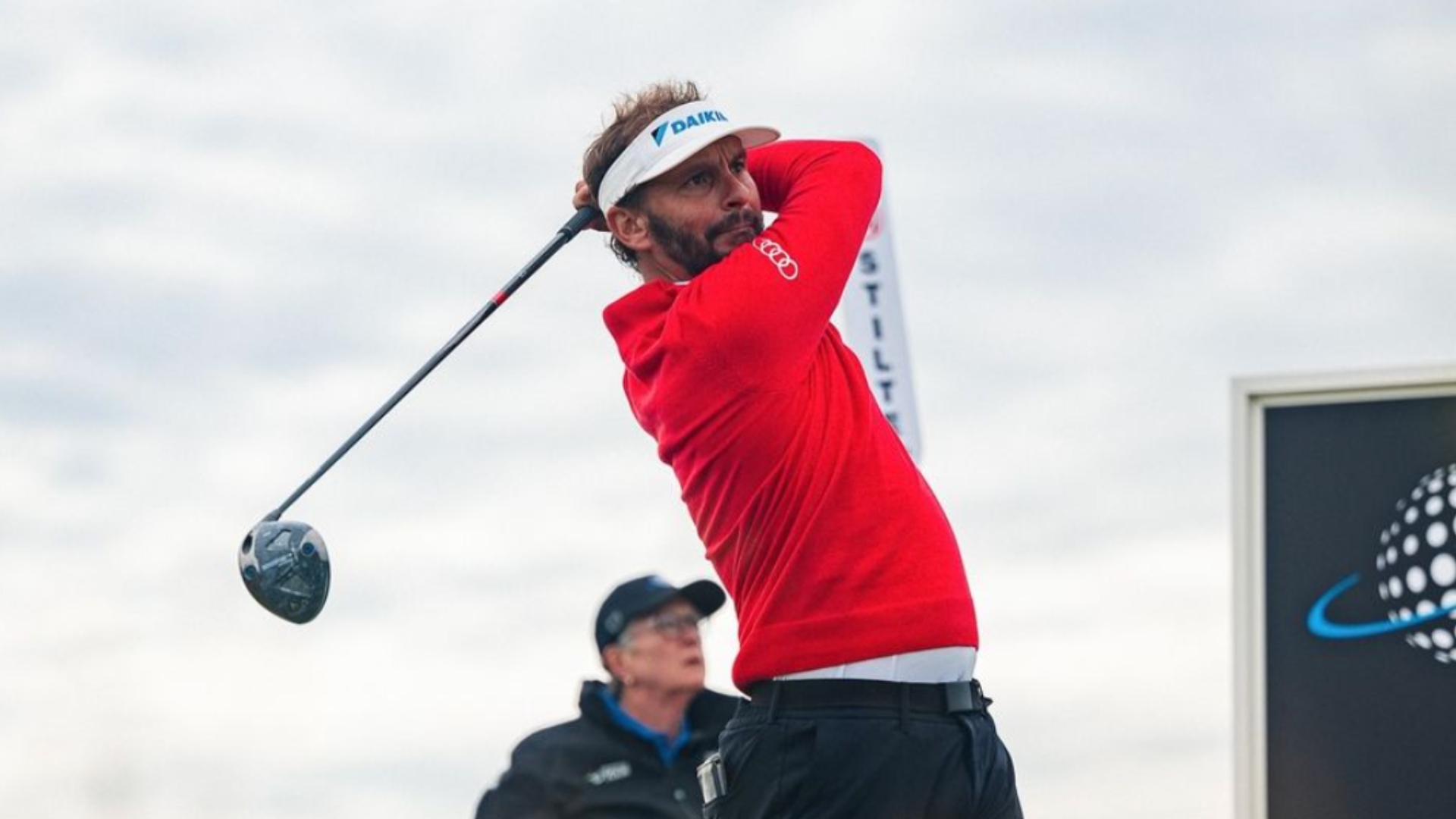
Joost Luiten will not be representing the Netherlands at the Olympics in Paris this summer, despite having qualified for the Games and emerged victorious in court.
Along with Dewi Weber, Anne van Dam, and Darius Van Driel, Luiten was one of four Dutch golfers who made it to the Olympics. But the Dutch Olympic committee decided to send only van Dam to the Games because they thought she was the only one with a legitimate chance to win a medal.
Protesting against the decision, Luiten sued the Dutch Olympic Committee in the Netherlands, and last week he emerged victorious, which ought to have allowed him to compete in the Games. However, the International Golf Federation (IGF) said that the athlete’s place in the 60-man field “had already been reallocated.” They also pointed fingers at the International Olympic Committee for denying a request to increase the field size for Luiten.
Luiten: You are all lies
In an Instagram post, Luiten expressed his disappointment at the decision. He stated n his post caption: “I can’t take The Olympics (IOC) serious anymore!
“If they say the fundamentals of the olympic games are about INTEGRITY, FAIRPLAY and RESPECT you are all lies!
“Even though I have been qualified by their own rules and entered before the entry deadline! They don’t let me play!…”
“I don’t see any fairplay or respect from the IOC, so how can they say The Olympic games are built on those fundamentals??
It is all POLITICS and all they care about is that they have their own party at the olympics with their mates!!” he added.
In his career, the 38-year-old has won six times on the DP World Tour, his most recent victory being at the NBO Oman Open in 2018. When the Netherlands decided not to send him to Paris, he was No. 40 in the Olympic rankings. He is presently at No. 159 in the Official World Golf Rankings.
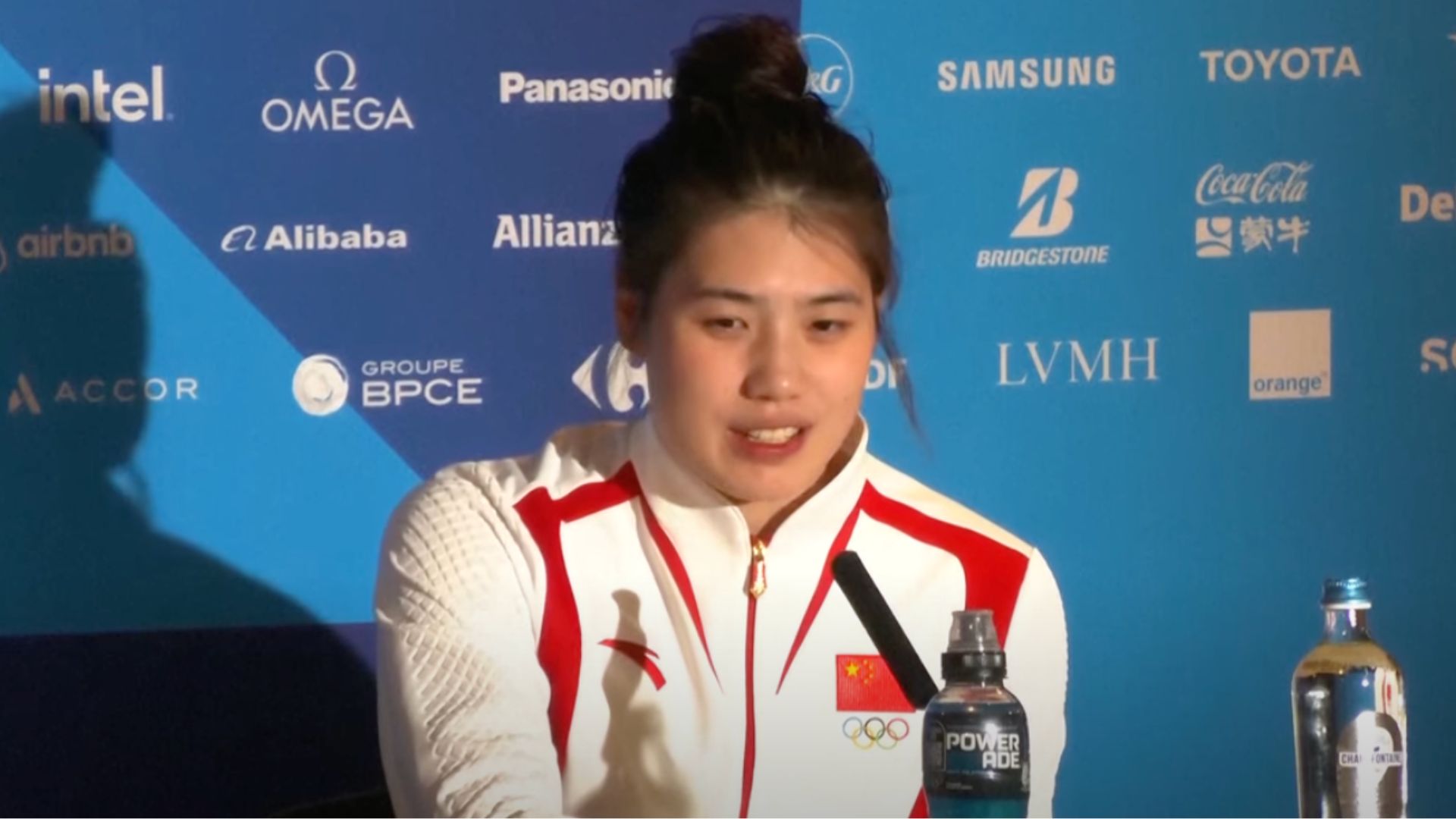
Chinese Olympic champion Zhang Yufei has appealed to people to “look at the Chinese swimming team through an unbiased lens in response to the unfair treatment and criticism that Chinese swimmers are facing”, reports China’s Global Times.
Zhang, who was one of 23 Chinese athletes who tested positive for a banned substance before the Tokyo Olympics, said on Saturday (July 27) that she and her teammates had been wrongly accused of doping and insisted that China would never allow any athlete to use performance-enhancing drugs, reports the New York Times.
China claims the athletes inadvertently ate contaminated hotel food, a claim reiterated by Zhang.
“I don’t think any athlete, Chinese or non-Chinese, would want to destroy the work they built up every day over the years on doping,” Zhang said in Paris on Saturday (July 27) in the first public comments by a member of the Chinese swimming team at the centre of the doping scandal, reported the Times.
Zhang wins two medals
Zhang, who won gold in the 200-metre butterfly at the 2020 Tokyo Olympics, claimed two medals in Paris on Saturday. She picked up bronze in the 100-metre butterfly—an event in which she won silver in Tokyo—and helped China finish third in the 4×100-metre women’s freestyle relay.
Zhang, Yang Junxuan, Cheng Yujie and Wu Qingfeng clocked a time of 3 minutes 30.30 seconds in the 4×100-metre, setting a new Asian record.
Australia, nevertheless, won the women’s relay, keeping the crown they won in Tokyo, the team made up of Emma McKeon, Mollie O’Callaghan, Meg Harris and Shayna Jack.
The United States came second, with Simone Manuel, Gretchen Walsh, Torri Huske and Kate Douglass making up the team.
Chinese men finish fourth
The Chinese women fared better than the men who, after a strong start, finished fourth in the 4×100-metre freestyle relay. The United States won gold, with Jack Alexy, Chris Guiliano, Hunter Armstrong and Caeleb Dressel on the team. Australia took silver and Italy bronze.
Pan Zhanle gave China a head start, chalking up 46.92 seconds in his leadoff split in the men’s relay, breaking the Olympic record for the men’s 100-metre freestyle. But the United States rallied and won the race in 3:09.28, retaining the crown they had won in the 2016 Rio de Janeiro Games and defended in Tokyo.
“My performance was not good enough. If I had created a greater advantage, we could have reached the podium,” said Pan, the world record holder in the 100-metre freestyle.
China’s Zhang Yufei said on Sunday that she was satisfied with her bronze medal in the women’s 100m butterfly at the Paris Olympics, her second podium finish in the event. #Paris2024pic.twitter.com/IDZAFQ2UYM
Zhang, meanwhile, faced the Americans Torri Husk and Grethen Walsh also in the 200-metre butterfly. Huske won the race, and Walsh finished second, pushing Zhang to third place.
Seen weeping after the award ceremony, Zhang said, “Perhaps I’ve pushed myself too hard.” She added, “I did feel a lot of pressure, but I also believe in my own abilities and look forward to competing against strong opponents next time.”
Her hometown fans consoled her. The hashtag “#YufeiDon’tCry” surged to the top of Weibo’s trending list. “Don’t cry, Yufei! We’re so proud of you. You’re really, really good,” one Weibo user commented.
China concern over large number of drug tests
China is worked up over the intensive drug testing of Chinese athletes following doping allegations.
Zhang told the Xinhua News Agency that in the two months before the Paris Olympics, every athlete on the Chinese swimming team was tested 20 to 30 times, averaging three to four tests per person per week.
Some suspect the tests are affecting the athletes.
“Something must have gone awry with the athletes’ pre-competition training. Personally, I believe that seven doping tests in one day might have disrupted our Chinese swimming team,” highly decorated Olympic diver Gao Min wrote on Weibo.
Zhang appeals for understanding
Zhang appealed for understanding in an Olympic poolside interview after advancing to the semi-finals of the 100-metre butterfly.
“Before last year, and before the scandal broke out, I got along really well with competitors from other countries. Now at this Olympics, I’m really worried that my good friends will look at me differently, that they would be unwilling to compete with me or watch me compete,” she said.
“I’m even more worried that the French public would think that Chinese athletes do not deserve to compete at this stage, so I feel very misunderstood.”
No Belarusians and Russians in the opening team parade at the Paris Olympics
With the Russian invasion of Ukraine in 2022, qualified athletes from Belarus and Russia who will compete in the 2024 Paris Olympics will play independently and without representing their national anthems or flags.
The International Olympic Committee (IOC) announced that athletes from the said countries will not be included in the opening ceremony parade happening in July, and will take place on the Seine River instead of a stadium. An estimated 300,000 spectators will be present at the event.
Russian and Belarusian athletes will compete as individual neutral athletes (AINs) and there will be a created flag and anthem without lyrics for them, which will be coming from the IOC.
Tough for Russians and Belarusians?
The Olympic body stated: “They will not participate in the parade of delegations during the opening ceremony, since they are individual athletes.” However, aside from team parades, they would still be given the chance to experience other parts of the opening ceremony.
“This decision is the logical consequence of the fact that the athletes with Russian and Belarusian passports are not selected as delegations but as individual athletes,” Paris 2024 Games organizers admitted.
The IOC declared that they are anticipating 36 Russian and 22 Belarusian athletes playing in the 2024 Paris Olympics.