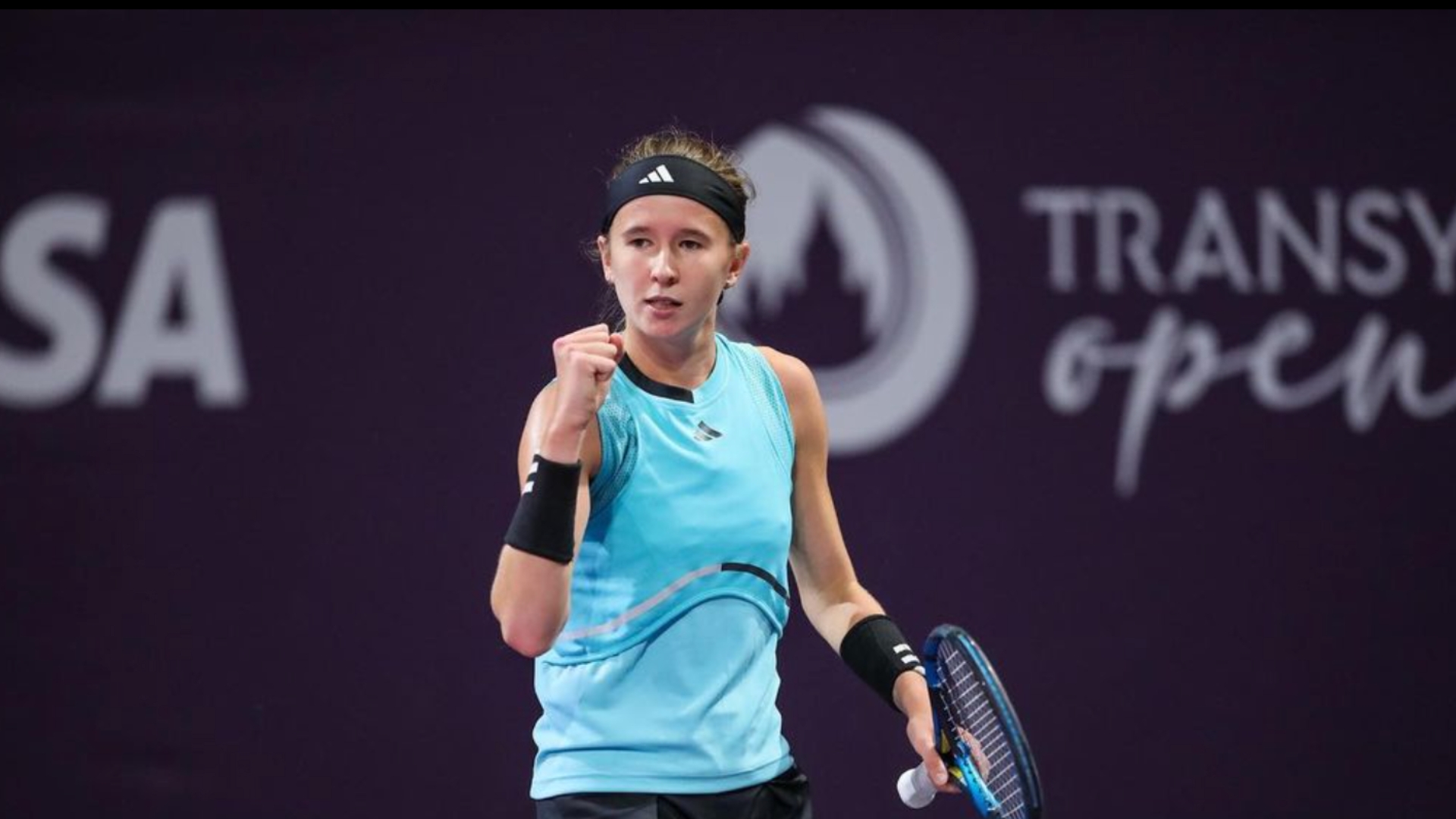
Nikola Bartunkova, the 2023 Wimbledon girls’ singles runner-up, has been permitted to compete after accepting a six-month doping ban for unintentionally consuming a prohibited drug.
The 18-year-old Czech athlete was placed on provisional suspension after testing positive for trimetazidine twice in February and March. This drug is a metabolic modulator that is occasionally used as a cardiac medicine.
After conducting an investigation, the International Tennis Integrity Agency (ITIA( determined that a tainted supplement was the reason for such adverse test results. The ITIA concluded that “the violation was not intentional, and that the player bore no significant fault or negligence.”
With the exception of a first-round result at an event in the Czech Republic in March where she returned a negative sample, Bartunkova’s results between the first and second positive tests have been deemed null and invalid as part of her sanction. The athlete is now cleared to play because the time she spent under provisional suspension carries over into her ineligibility term.
Last year, Bartunkova won her maiden WTA Tour match after defeating Dayana Yastremska, who was ranked 21st at the time. In the Wimbledon juniors final last year, she was defeated by American Clervie Ngounoue.
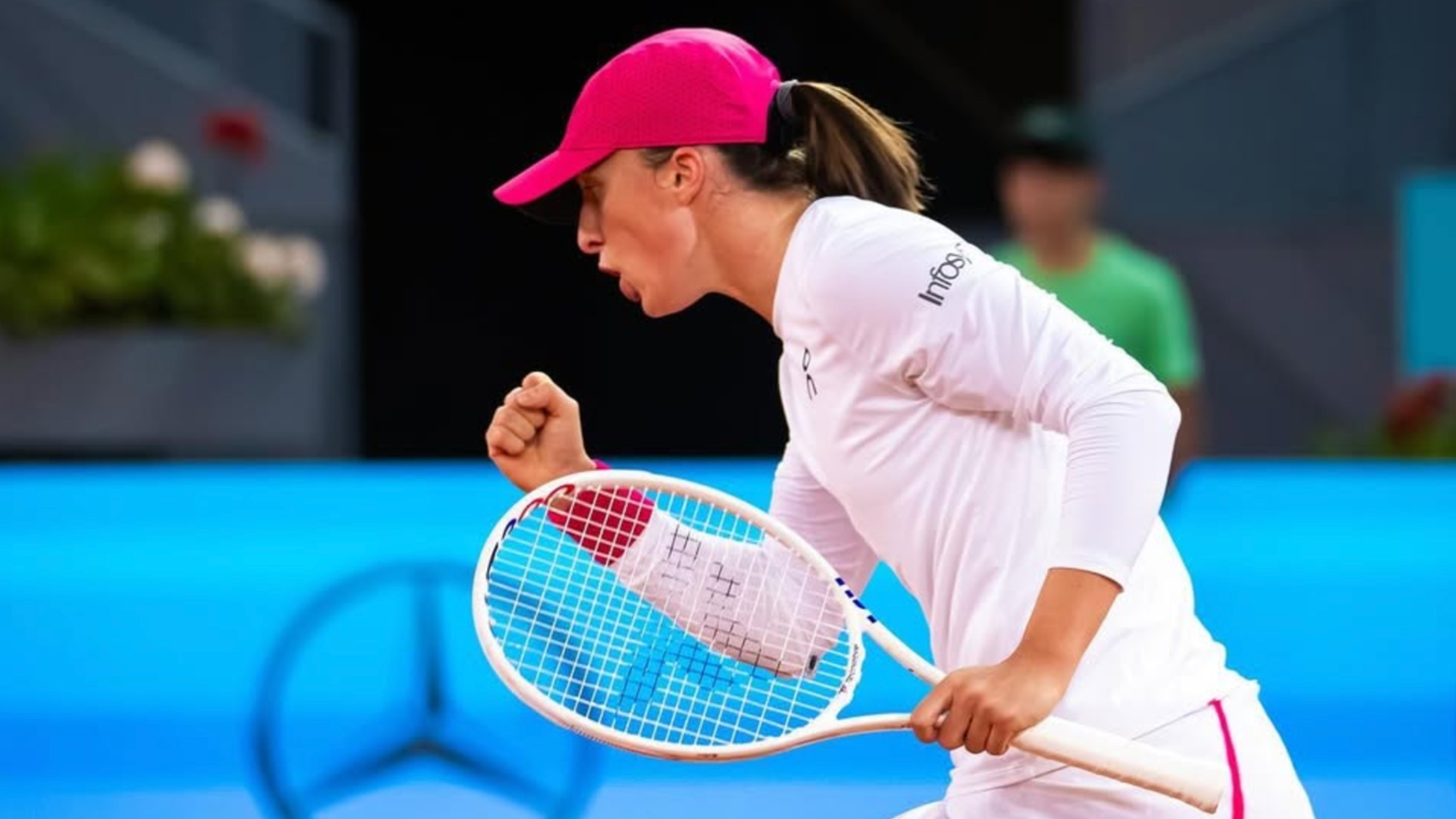
The International Tennis Integrity Agency (ITIA) announced that Polish athlete Iga Swiatek has agreed to a one-month suspension after testing positive for an illegal substance.
The five-time Grand Slam winner tested positive for a prohibited drug called trimetazidine.
The ITIA declared: “The ITIA accepted that the positive test was caused by the contamination of a regulated non-prescription medication (melatonin), manufactured and sold in Poland that the player had been taking for jet lag and sleep issues, and that the violation was therefore not intentional.”
The ITIA offered the athlete a suspension on November 27. The agency added: “The player was provisionally suspended from 22 September until 4 October, missing three tournaments, which counts towards the sanction, leaving eight days remaining… In addition, the player also forfeits prize money from the Cincinnati Open, the tournament directly following the test.”
In a social media post, the athlete admitted: “In the last 2.5 months I was subject to strict ITIA proceedings, which confirmed my innocence. The only positive doping test in my career, showing unbelievably low level of a banned substance I’ve never heard about before, put everything I’ve worked so hard for my entire life into question. Both me and my Team had to deal with tremendous stress and anxiety. Now everything has been carefully explained, and with a clean slate I can go back to what I love most.”
It is prohibited for athletes to use trimetazidine, both during and after competition, as it is classified as a ‘metabolic modulator.’ Unlike other stimulant-class performance-enhancing medicines, this specific drug is made to help with endurance in physical exercise, even though it would not raise the athlete’s heart rate.
All because of melatonin
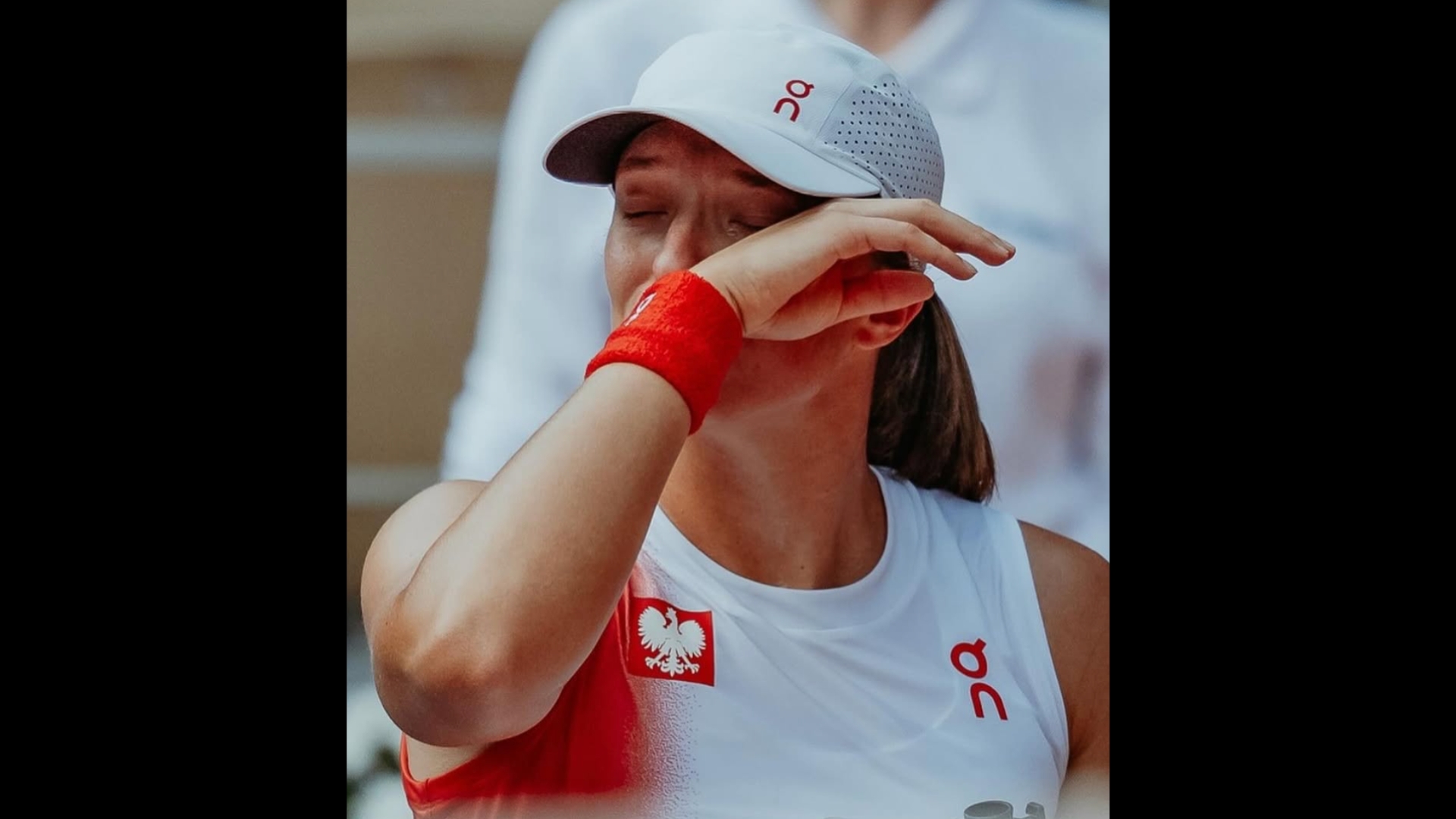
The result of the test shocked Swiatek. She said: “It was a blow for me, I was shocked and this whole situation made me very anxious. At first I couldn’t understand how that was even possible and where it came from.”
The 23-year-old athlete immediately cooperated with the ITIA, and began conducting tests on medications and nutritional supplements. According to these tests, the melatonin that the athlete claimed to take to aid her in her sleep was contaminated.
Swiatek further said: “This experience, the most difficult in my life so far, taught me a lot… The whole thing will definitely stay with me for the rest of my life, it took a lot of strength, returning to training after this situation nearly broke my heart. So there were many tears and lots of sleepless nights. The worst part of it was the uncertainty.”
The WTA claimed to support Swiatek. WTA stated: “The WTA fully supports Iga during this difficult time. Iga has consistently demonstrated a strong commitment to fair play and upholding the principles of clean sport, and this unfortunate incident highlights the challenges athletes face in navigating the use of medications and supplements.”
“The WTA remains steadfast in our support for a clean sport and the rigorous processes that protect the integrity of competition,” WTA added.
Iga Swiatek discusses her ‘horror and disappointment’ about her doping case, after testing positive for a banned substance called trimetazidine (TMZ) last August.
In September, she was informed of her positive test results and issued a one-month penalty, which she partially served during her absence from the Asia swing.
When asked about her reaction to the unexpected test result, Swiatek declared: “My reaction was very intense. It was a mix of confusion and panic. There was a lot of crying…. My manager said my reaction was like someone had died or something serious had happened to my health.”
She added: “I thought it might be a mistake. I really didn’t understand what was happening. The name of the substance itself was completely unfamiliar to me. I had never heard of its origin. I didn’t think much, I was just overwhelmed with emotions.”
After men’s world No. 1 Jannik Sinner, Swiatek is the second well-known athlete to test positive for a prohibited substance this year.
Moreover, Swiatek admitted: “Just stepping onto the court was painful. If it hadn’t been for my training partner, Tomek Moczek, who at the beginning was doing training sessions with me like you do with kids – we were just having fun on the court – I think I wouldn’t have gone out to practice at all… The truth is, I love playing tennis, but not enough to sacrifice my honour or my values. I was put in a situation where suddenly people could judge me very negatively because of what happened.”
In comparison with other athletes’ doping cases
She also stated that it was hard to compare her case to other athletes who also got a doping ban. Swiatek declared: “I know that people automatically need to compare such situations to others that have happened before, but the truth is that each of these cases is completely different. And the process of proving innocence will also vary accordingly.”
“It’s hard to compare me to Sinner, Halep, or Kamil Majchrzak because each of us is dealing with a different issue. I think that’s more of a question for the ITIA than for the player. My fate, just like others, was in their hands, and they decide how each case unfolds…. I trust that this process is objective, that everything is done according to the rules, and that no one judges a player either way based on their ranking.”
“What mattered most to me was that I could start the new season with a clean slate and just focus on playing,” she said.
In response to Simona Halep’s case, the WTA is considering creating special rankings specifically for players coming off of drug bans. With a wildcard into the Miami Open, Halep made her comeback following a nine-month suspension. A balanced approach to competitive fairness while preserving women’s tennis integrity can be seen in this proposed rule modification.
Athletes banned for doping violations have a new set of challenges upon their comeback, whereas those recuperating from significant injuries or on maternity leave return to protected rankings. They frequently have to start the difficult process of starting over in their careers because they do not have the safety net of protected rankings.
This disparity exposes a serious weakness in the athlete support structure, putting athletes suspended due to drug offenses at a clear disadvantage. It is imperative to address this discrepancy to promote equity and guarantee that every athlete is afforded equal opportunities to regain their standing in their respective sports.
WTA said; “We think it is appropriate to take this rule into consideration, so we have started the process of reviewing it,” an article from sportstar.com mentioned.
A WTA Affair
Simona Halep, the former winner of the Wimbledon and French Opens, was suspended in October 2022 after testing positive for the prohibited substance roxadustat, which is known to increase the formation of red blood cells, at the U.S. Open. The 32-year-old’s career was further clouded by allegations of anomalies in her athlete biological passport, which further heightened the doping scandal.
Halep, who had fiercely denied the charges made against her, was saved when the Court of Arbitration for Sport in Lausanne stepped in and cut her punishment short—she had already served the whole nine months. Though everyone was excited to see her back on the court, her homecoming was greeted with an unanticipated obstacle as she had to face Paula Badosa in the Miami opening round.
Halep’s fortitude and tenacity in the face of hardship are evident despite the setback, laying the groundwork for an inspiring story of overcoming hardship and succeeding in the face of difficulty.
Iga Swiatek says the people evaluating her doping case have been treating her “like a liar”. She can’t get that out of her mind ahead of the Australian Open.
In August 2024, the current world No. 2 tested positive for a banned drug called trimetazidine, and it resulted in a one-month suspension that she served in November and December. Now that Swiatek is back on the WTA Tour, she may compete in the Australian Open, which she has yet to win.
Swiatek shared her thoughts about the doping case on the Tennis Insider Club podcast and stated: “It was terrible…Honestly, I don’t love tennis that much to feel this bad. If it [were to] happen to me a second time, I don’t know if I would be able to go through this a second time because it was terrible, honestly.”
She added: “I couldn’t go on court for two weeks because I felt it was because of tennis that I am in this place. I felt it hit me much deeper than… my ‘athlete’ side. It hit my personal side because I thought everybody would turn their backs on me.”
According to the ITIA’s statement, Swiatek’s positive test resulted from “the contamination of a regulated non-prescription medication (melatonin)”, which she claimed she took to treat her jet lags and sleep concerns.
The athlete remarked: “I had no idea what happened… We had to send supplements to the labs and wait for the results. It was so chaotic, I didn’t know if it was going to be two years or three months or something else.”
“It was really tough. I don’t want to go through this again,” she said.
Swiatek: “You literally have no control over this”
The four-time French Open champion lamented that the people prosecuting her were treating her “like a liar”.
“You can be at peace with yourself that you didn’t do anything wrong, but no one actually treats you like that, especially the people that are prosecuting you… They want to find that even when you are telling the truth you feel like they treat you like a liar,” Swiatek said.
“But it’s the law and at the beginning it was hard for me to accept it, but my team told me from the beginning, ‘Don’t expect anything and don’t overthink what the outcome might be, because you literally have no control over this’.
“We just tried to find the source [of the contamination] and we found it, but it wasn’t that obvious. When we had it, we just went through it step by step, proving my innocence and, luckily, they made a pretty rational decision,” she added.
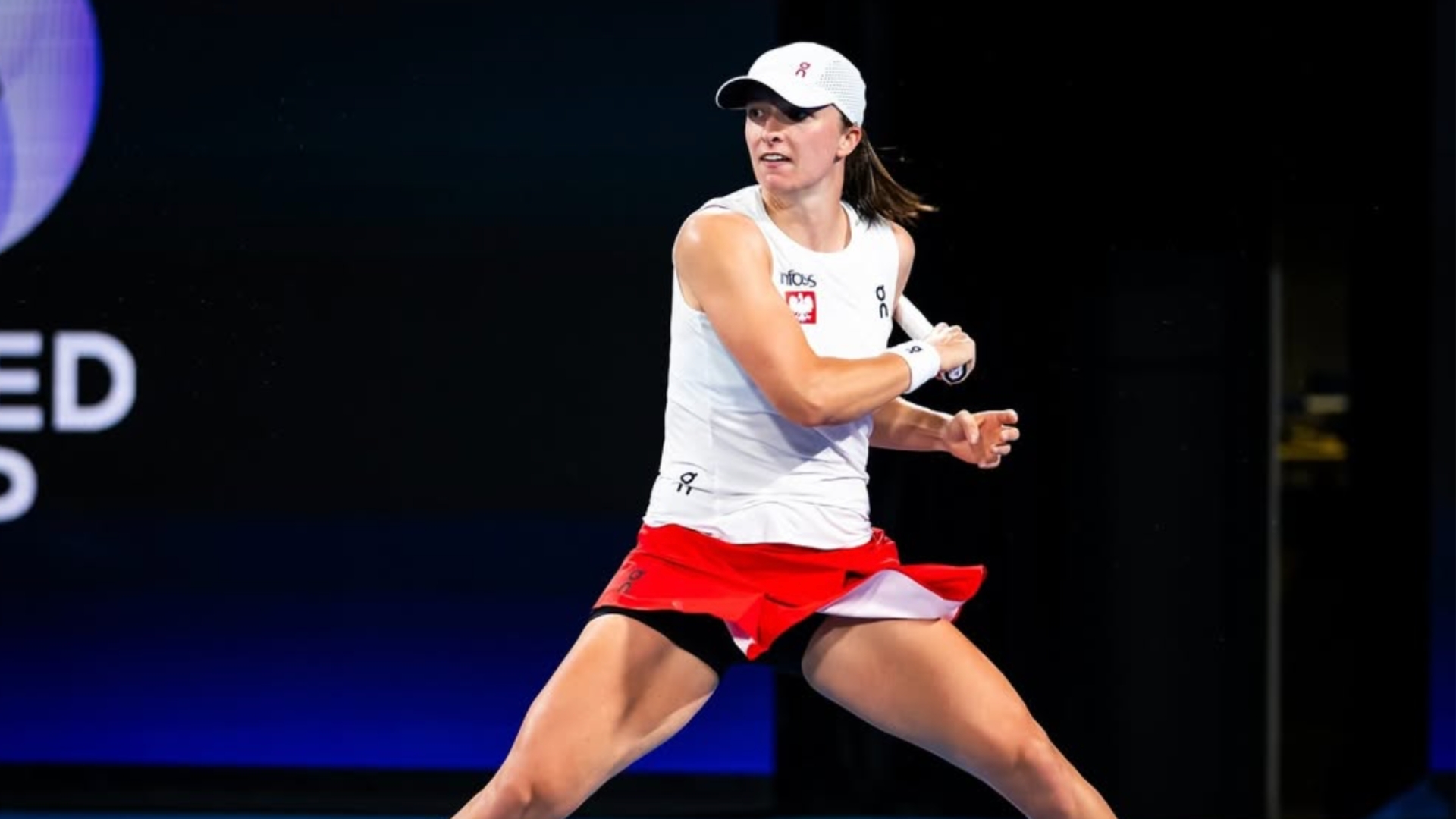
Swiatek began the new year by leading Poland to the United Cup final in Perth, where they faced the USA. In the lead-up, she defeated world No. 6 Elena Rybakina and Katie Boulter of Great Britain, losing one set against Boulter. In her last rubber, she was defeated by Coco Gauff.
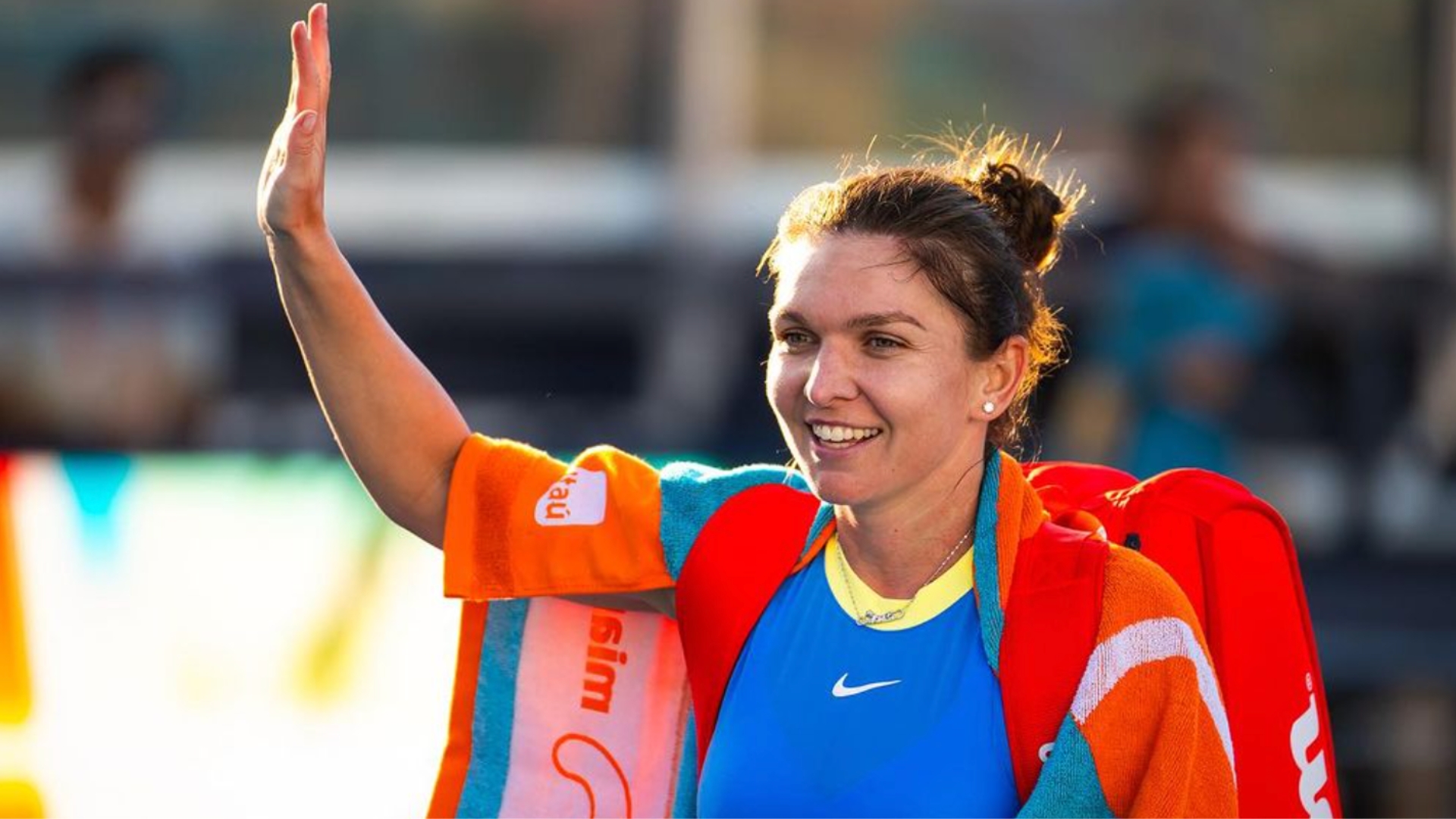
At her most recent game at the Miami Open, Simona Halep lost to Paula Badosa in three sets after being suspended from playing due to doping. This was her first match since her four-year suspension was cut short to nine months.
Halep, a two-time grand slam champion from Romania and who also held a top spot in the world rankings, started the game smoothly as she breezed through the first set in just 38 minutes as if she had never been away. However, the determination and perseverance of Badosa, who formerly ranked 2nd in the world, led her to victory with 1-6, 6-4, and 6-3.
A roxadustat effect on Halep?
Badosa started with a momentum that Halep immediately answered. Regardless of her enthusiasm, Badosa still won in less than two hours.
Now, Badosa is scheduled to compete against Aryna Sabalenka. But, due to the death of her partner Konstantin Koltsv, there might be uncertainty regarding her participation in the game.
In other news, Halep wascharged with a doping offense because of irregularities in her athlete biological passport (ABP), which is designed to check the blood parameters of athletes over time to reveal possible doping activities. She was also suspended after being positive for obtaining roxadustat, an illegal substance that increases the formation of red blood cells, at the U.S. Open.