Men’s tennis world No. 1 Jannik Sinner, speaking to reporters on US Open Media Day, answered questions about his avoiding a doping suspension despite testing positive for a banned substance twice in March.
The International Tennis Integrity Agency stated that although the Italian player tested positive for the anabolic steroid Clostebol at low concentrations from a sample taken at the Indian Wells tournament, and from a second sample taken eight days later, there was “no fault or negligence” on the athlete’s part.
Sinner admitted: “It’s not ideal before a grand slam. But, in my mind, I know that I haven’t done anything wrong… I always will respect these rules of anti-doping.”
Moreover, Sinner said that he could not control how this conflict would affect his reputation in the tennis industry. He said: “Whoever knows me very well knows that I haven’t done, and I would never do, something that goes against the rules.”
In the upcoming opening round of the US Open, Sinner will take on Mackenzie McDonald of the United States.
To know more about the doping suspension, read here.
The world No. 1 in men’s tennis, Jannik Sinner, prevailed in his match against American Mackenzie McDonald with a performance record of 2-6, 6-2, 6-1, 6-2, and advanced to the US Open second round.
Sinner’s victory in New York marked his first match since his doping case went public. The athlete has insisted that he hasn’t done anything illegal and escaped suspension despite testing positive twice for traces of a prohibited substance.
Now, he will play against Alex Michelsen, another American, in the second round.
Fans’ response after the doping announcement
Sinner told reporters after his match with McDonald that he was interested in knowing the reaction of the fans.
It has been disclosed that Sinner escaped suspension despite twice testing positive for the anabolic drug Clostebol.
Sinner’s first positive test result was for low quantities of Clostebol from a sample taken at Indian Wells. Eight days later, a second sample was taken, and this one also tested positive—albeit at lower levels. Sinner’s representation stated that the quantity was less than a billionth of a gram.
Sinner claimed that the positive tests were caused by accidental contamination of Clostebol as a result of receiving treatment from his physiotherapist. It was decided that he had “no fault or negligence.”
“The response from fans, I feel like it has been great.. Also throughout when the news came out, you know, in the practice sessions, there was a lot of support, which I’m very glad and happy about that,” he said.
Sinner added: “It is still a little bit, you know, not easy. … Obviously, I’m very happy to be here in the position where I am, and then trying just to go day by day, really.”
Sinner was questioned regarding the conversations he’s had with other players and the responses he’s received in the locker room. He said: “Yeah, there are some reactions… You know, I cannot really control what they think and what they talk. … I cannot control the players’ reaction, and if I have something to say to someone, I go there privately, because I’m this kind of person. But, look, overall, it has not been bad. So I’m happy about that.”
With an independent tribunal ruling that world No. 1 tennis player Jannik Sinner was not at fault after testing positive twice for a banned substance in March 2024, the World Anti-Doping Agency (WADA) has announced that it is filing an appeal with the Court of Arbitration for Sport (CAS).
Since the International Tennis Integrity Agency (ITIA) declared in August that the 23-year-old athlete was not at fault despite testing positive for the anabolic steroid Clostebol, he has managed to avoid penalties from competition so far.
WADA is now requesting a ban of “between one and two years” for the 23-year-old Italian after stating that the ITIA’s decision “was not correct under the applicable rules”.
WADA went on to clarify in its statement that it is “not seeking a disqualification of any results, save that which has already been imposed by the tribunal of first instance”, referring to the ITIA’s ruling to deprive Sinner of the ranking points and prize money he earned at Indian Wells, where he advanced to the semi-finals.
Following this appeal, Sinner said: “We cannot control everything, no?… Obviously I’m very disappointed and also surprised by this appeal, to be honest, because we had three hearings. All three hearings came out very positively for me.”
Cause of the issue
Sinner claimed that his physiotherapist’s treatments had inadvertently contaminated the illegal drug, which was the cause of the positive test results. The two-time grand slam champion added that his physiotherapist had been treating a little wound on their own skin, not on Sinner, with an over-the-counter spray.
A statement released by Sinner’s team admitted: “His fitness trainer purchased a product, easily available over the counter in any Italian pharmacy, which he gave to Jannik’s physiotherapist to care for a cut on the physiotherapist’s finger… Jannik knew nothing of this, and his physiotherapist did not know that he was using a product containing Clostebol. … The physiotherapist treated Jannik without gloves and coupled with various skin lesions on Jannik’s body caused the inadvertent contamination.”
After conferring with specialists, an independent tribunal appointed by the ITIA accepted Sinner’s explanation, enabling him to successfully challenge the provisional ban that was in place following each positive test. Moreover, after the positive test results were made public on August’s US Open eve, Sinner stated that he had split up with fitness coach Umberto Ferrara and physiotherapist Giacomo Naldi due to the incident.
Despite being caught in a doping allegation controversy, Jannik Sinner has had the most successful and eventful season of his career in 2024.
Sinner is the reigning Australian Open and US Open champion, and recently, he won his seventh title of the season in Shanghai in spite of testing positive for clostebol in March.
Clostebol is an anabolic steroid that can help athletes build muscle mass and enhance their athletic performance. This drug has been on WADA’s prohibited drugs since 2004.
Fortunately, an independent panel presented by the International Tennis Integrity Agency (ITIA) declared that there was “no fault or negligence” on Sinner’s part, saying that he had provided a credible explanation.
However, this decision has been challenged by the World Anti-Doping Agency (WADA), which launched an appeal to the Court of Arbitration for Sport (CAS). There has been no date set yet for the hearing.
With all this happening, Djokovic admitted: “Whatever’s going to happen, I just wish for it to be resolved as soon as possible… This whole case is not helping our sport at all.”
Will Sinner be banned?
WADA is seeking a ban of one to two years for Sinner. This ban is to be applied from the date of the CAS ruling.
In this case, the organization believes that the decision stating that the player has ‘no fault or negligence’ is “not correct under the applicable rules”.
Sinner did not contest that clostebol was found in his urine test, and WADA is not questioning his explanation as to why the illegal substance was detected in his system. However, WADA believes that the player must take some of the responsibility for the incident.
World No. 1 Jannik Sinner not to be suspended despite testing positive for illegal substances twice
World No. 1 Jannik Sinner avoided the consequences of testing positive after using a banned substance twice in March. This news was disclosed less than 24 hours after the athlete’s victory in the ATP 1000 Cincinnati Open.
In a statement, the International Tennis Integrity Agency (ITIA) declared that Sinner was not at fault or negligent, even though a sample taken in Indian Wells on March 10 tested positive for the anabolic steroid Clostebol at low levels. Eight days later, a second sample was taken, and this one also tested positive at low levels.
Sinner claimed that his physiotherapist’s treatments had accidentally contaminated a substance called Clostebol and this might be the cause of his positive test results. The 2024 Australian Open champion also revealed that his personal trainer had been using an over-the-counter spray on their own skin, rather than on Sinner, in order to heal a minor cut.
In a social media post, the athlete posted a statement declaring: “His fitness trainer purchased a product, easily available over the counter in any Italian pharmacy, which he gave to Jannik’s physiotherapist to care for a cut on the physiotherapist’s finger”
“Jannik knew nothing of this, and his physiotherapist did not know that he was using a product containing Clostebol. … The physiotherapist treated Jannik without gloves and coupled with various skin lesions on Jannik’s body caused the inadvertent contamination,” the statement added.
A player would normally receive an immediate provisional ban following a positive test, but according to the ITIA, they can petition an independent tribunal chair designated by Sport Resolutions to have that suspension lifted.
According to the ITIA, Sinner was able to keep playing after both cases because he successfully appealed the provisional suspension. Moreover, scientific experts found the athlete’s explanation to be reasonable, thus the organization did not object to his requests to have the temporary bans lifted.
Sinner declared: “I will now put this challenging and deeply unfortunate period behind me… I will continue to do everything I can to ensure I continue to comply with the ITIA’s anti-doping programme and I have a team around me that are meticulous in their own compliance.”
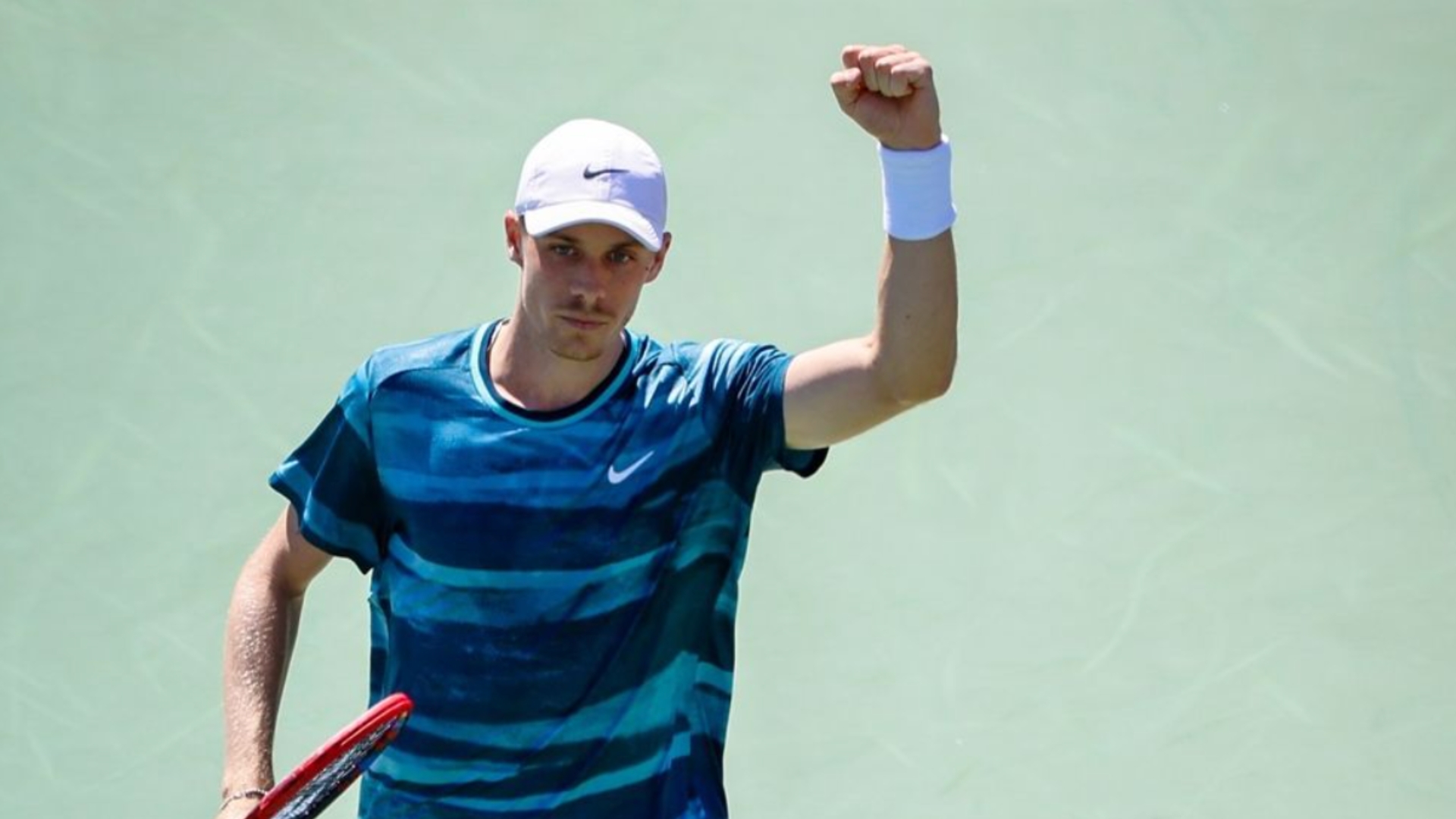
After world number one Jannik Sinner was found not guilty of any crime despite failing two drug tests this year, athletes including Denis Shapovalov criticized what they perceived as unfair treatment in the sports industry.
Former top-10 player Denis Shapovalov was among those swift to allege that Sinner had preferential treatment when the International Tennis Integrity Agency (ITIA) announced that an independent tribunal had cleared Sinner to compete going forward, despite being positive in illegal substances twice.
Shapavalov said: “Can’t imagine what every other player that got banned for contaminated substances is feeling right now… Different rules for different players.”
However, Sinner’s team declared that they would not respond to opinions on social media regarding this matter. The team admitted: “Jannik has been found innocent following a rigorous process and a detailed review by an independent panel… The reasons are explained in the independent panel’s publicly available decision. It is not for us to answer comments made on social media.”
At Indian Wells, Sinner tested positive for clostebol. A few days later, he had another test where little of the illegal drug was discovered in his blood. Despite this, the 23-year-old was able to argue against automatic provisional suspensions. He is permitted to compete at the Aug. 26-Sept. 8 U.S. Open, the final Grand Slam of the year.