UK Sport has said that it will commit an investment of £330 million on British sport in advance in preparation for the 2028 Olympic and Paralympic Games in Los Angeles.
Making their “greatest investment to date”, the funding will be allocated to more than 50 sports, including new sports like squash, flag football, baseball/softball, lacrosse, and paraclimbing.
For the second consecutive cycle, funding for athletics has been reduced, but breaking, which is no longer an Olympic sport, will not be aided. With this, UK Athletics CEO Jack Buckner said that they are “disappointed” with the decision that the funds will be cut by £1.725m.
Moreover, Chris Grant, the chair of the British Basketball Federation, said that basketball entered a new era after the sport benefited from a £2.925 million share to upgrade the 3×3 format. Additionally, athlete performance awards, which athletes receive to help cover their living and sporting expenses, will increase funding to over £400 million overall.
Dr Kate Baker, UK Sport director of performance and people, said: “It’s so important for us to be able to keep the momentum going as we head into the LA cycle… This is our greatest investment to date, with more sports set to embark on an Olympic and Paralympic campaign with us than ever before.”
She added: “I’m excited to work with the new sports receiving investment from us for the first time and warmly welcome them to our Olympic and Paralympic community.”
“With every Games cycle comes new sports and athletes with new stories to tell and inspiration to share. With our investment supporting more breadth than ever before, as well as the entertainment, drama and spectacle we’ll no doubt experience from a Games taking place in LA, I can’t wait to see what our athletes can achieve in four years’ time.”
Today we’ve announced a £330m investment in Britain’s Olympic and Paralympic sports towards success at @LA28.
It’s our greatest investment to date, thanks to the Government and The National Lottery.@DCMS | @TNLUK
Football fans worldwide rejoiced as the International Olympic Committee (IOC) opened its doors to flag football, igniting a wave of excitement among the sports community on social media.
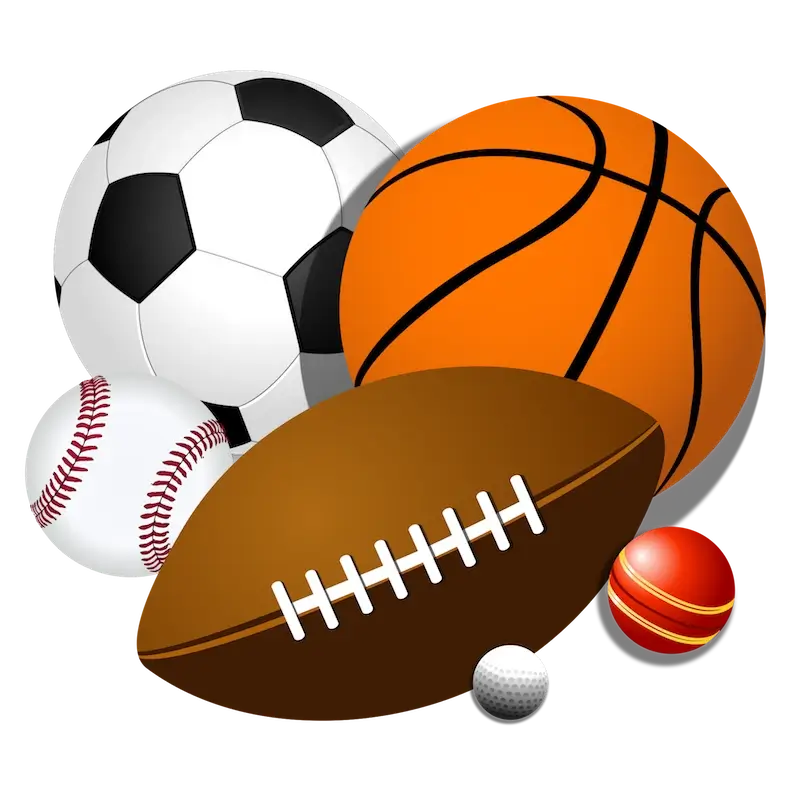
On Monday, the IOC announced that they had approved flag football and five more sports, namely baseball, softball, lacrosse, squash, and cricket, for athletes to compete in at the upcoming 2028 Summer Olympics in Los Angeles.
The LA28 organizing committee proposed these sports for their version of the Games, which the Olympic Programme Commission (OPC) and Executive Board (EB) of the International Olympic Committee later reviewed and approved.
Four of the games have already been held in the past and will now be returning to the scene. Baseball and softball have been contested in various Olympic Games before, the latest of which was held in 2021 in Tokyo, Japan. Cricket was also featured in the Summer Olympics in Paris in 1900, as was lacrosse in the Games in St. Louis in 1904 and London in 1908.
Flag football and squash, on the other hand, will make their Olympic debuts in LA28.
Via the Olympic Games on X: IOC Session approves @LA28’s proposal for 5⃣ additional sports: ⚾Baseball/🥎softball, 🏏cricket, 🏈flag football, 🥍lacrosse and ⚫squash have been officially included as additional sports on the programme for the Olympic Games Los Angeles 2028. #LA28
IOC Session approves @LA28’s proposal for 5⃣ additional sports:
⚾Baseball/🥎softball, 🏏cricket, 🏈flag football, 🥍lacrosse and ⚫squash have been officially included as additional sports on the programme for the Olympic Games Los Angeles 2028. #LA28pic.twitter.com/y7CLk2UEYx
Meanwhile, the NFL’s official X also relayed the news via a 30-second clip that features some of the most notable figures in football, like Pro Football Hall of Famer Peyton Manning, two-time Super Bowl Champion Eli Manning, Denver Broncos quarterback Russell Wilson, and Las Vegas Raiders defensive end Maxx Crosby.
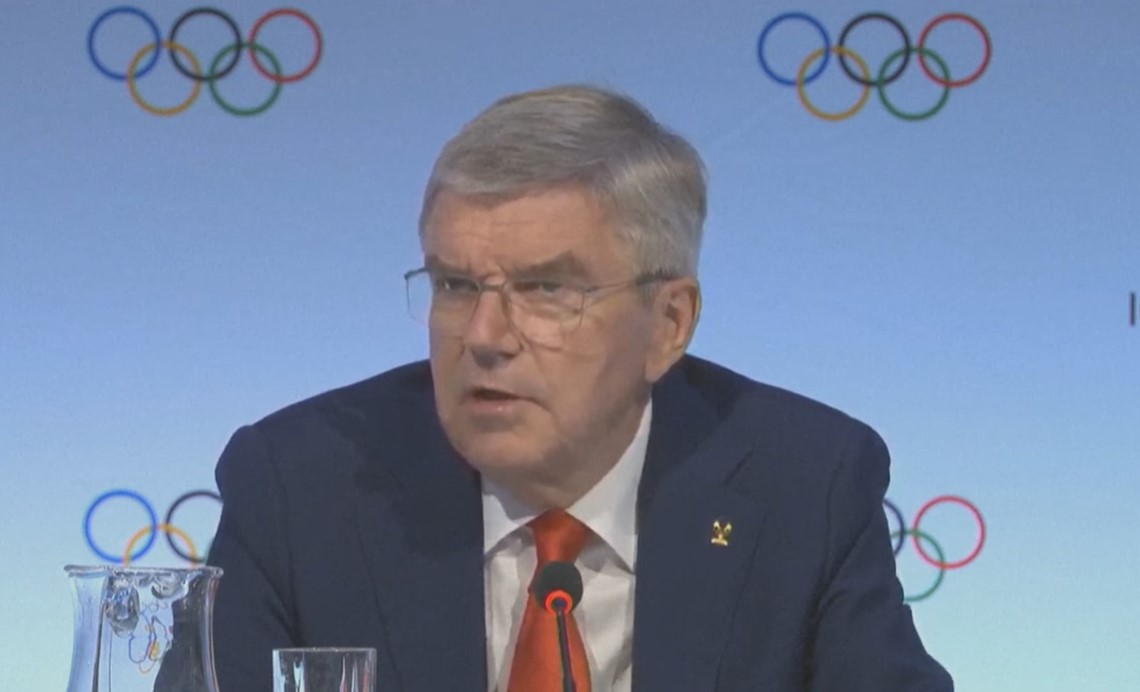
In a statement, IOC president Thomas Bach said that the games would be in keeping with American culture and that they would give iconic American sports a chance to shine while also luring athletes from other countries to play in the United States.
“The choice of these five new sports is in line with the American sports culture and will showcase iconic American sports to the world, while bringing international sports to the United States. These sports will make the Olympic Games LA28 unique,” said IOC President Thomas Bach, as per Olympics.com. “Their inclusion will allow the Olympic Movement to engage with new athlete and fan communities in the US and globally.”
Casey Wasserman, the LA28 committee’s chair, added that the group is eager to begin ground-breaking collaborations with important professional leagues following the IOC’s approval.
“We are excited to embark on game-changing collaborations with major professional leagues that will unlock massive opportunities to amplify the Olympic and Paralympic story and captivate new audiences,” Wasserman said.
Over the course of 18 days of competition in the French city and other locations, the Paris 2024 Olympic Games will include 3,800 hours of live events and award 329 gold medals in 32 different sports.
The Paris 2024 Olympics will officially begin on July 26, with an opening ceremony. Rather than being held in a stadium, the grand opening ceremony will be held along the Seine River for this year’s Games.
However, the official start of sporting events will be on July 24, days prior to the opening ceremony, with events in football, rugby sevens, handball, and archery.
What’s new for Paris 2024
Breaking is the only new sport scheduled for the 2024 Olympics. This dance form had its start in the 1970s in the Bronx in New York, but it has since developed into a competitive sport. This sport will not be seen in Paris until the latter part of the Games; the men’s event is scheduled for August 10 and the women’s for August 9. There will be 32 competitors in total—16 males and 16 women—who will fight for the medals.
Furthermore, karate and baseball/softball were eliminated from the Olympics this year, despite their inclusion in Tokyo three years ago.
Additionally, Kayak Cross will make its premiere. It’s similar to canoe slalom, but instead of racing against the clock, each heat sets four participants against one another.
The sailing competition now includes two new kite events: kiteboarding and windsurfer-iQFoil. Moreover, men will compete in artistic swimming for the first time in Olympic history, and a team acrobatic routine round will make its debut.
Olympic prize money
The World Athletics has declared that it will be the inaugural international federation to present cash prizes during the Olympic Games. The international governing body announced that a total reward fund of $2.4 million (£1.9 million) has been made available for the Olympics in Paris this summer. The gold medal winners will receive $50,000 (£39,400).
Russian and Belarusian athletes
Athletes from Belarus and Russia may compete as Individual Neutral Athletes, or AIN.The International Olympic Committee has announced that they will not be participating in the opening ceremony of the 2024 Summer Olympics as well.
Dates to remember
Opening ceremony: July 26, River Seine
Archery: July 25 to August 4, Invalides
Artistic gymnastics: July 25 to August 4, Bercy Arena
Artistic swimming: August 5-10, Bercy Arena
Athletics: August 1-11, Stade de France (track & field), Trocadero (race walks), Invalides (marathons)
Badminton: July 27 to August 5, La Chapelle Arena
3×3 Basketball: July 30 to August 5, La Concorde
Basketball: July 27 to August 11, Pierre Mauroy Stadium (group phase) & Bercy Arena (finals)
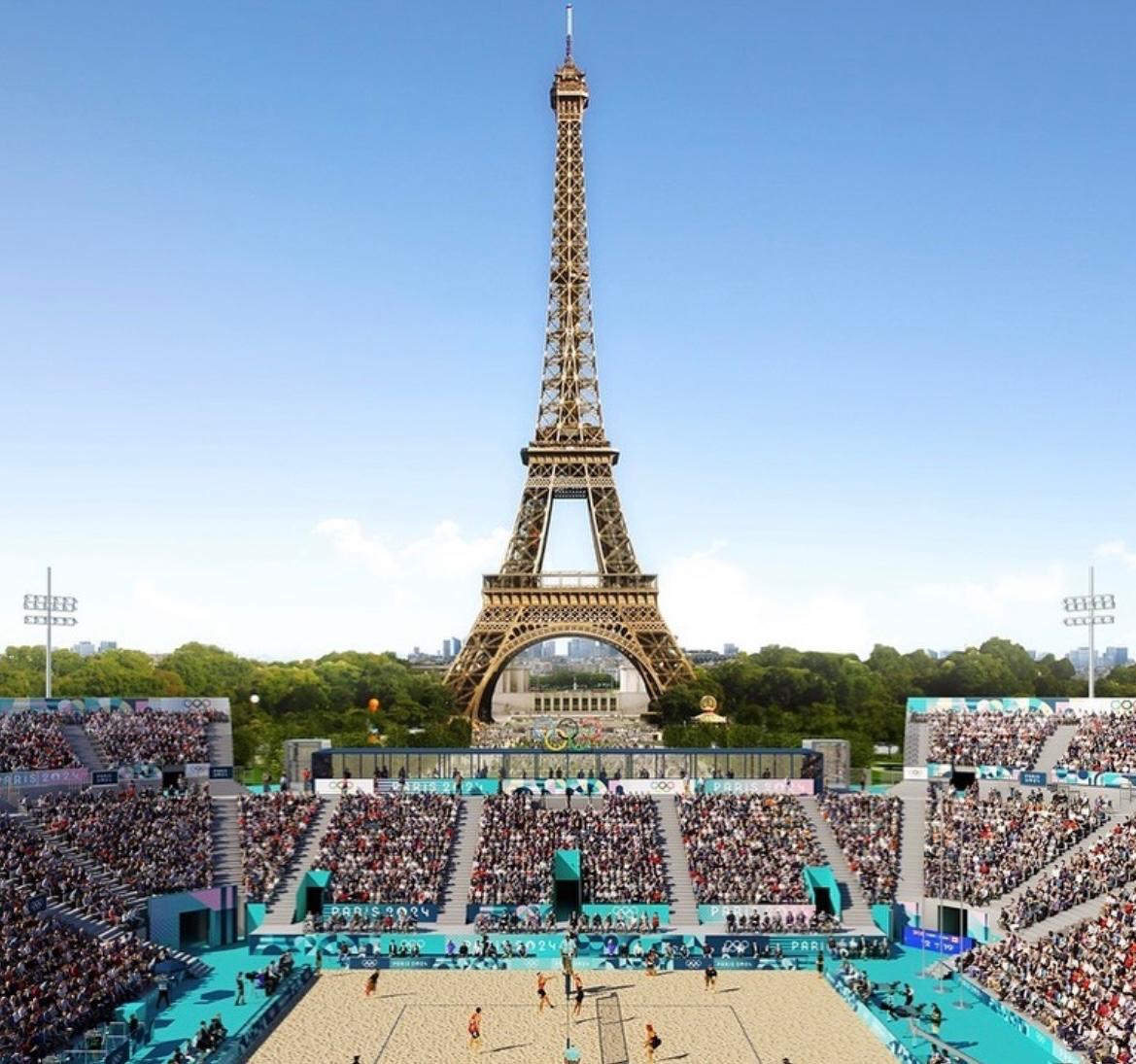
Beach volleyball: July 27 to August 10, Eiffel Tower Stadium
Boxing: July 27 to August 10, North Paris Arena & Roland-Garros Stadium
Breaking: August 9-10, La Concorde
Canoe slalom: July 27 to August 5, Vaires-sur-Marne Nautical Stadium – White water
Canoe sprint: August 6-10, Vaires-sur-Marne Nautical Stadium – Flat water
Cycling BMX: July 30 to August 2, La Concorde (freestyle), BMX Stadium (racing)
Cycling mountain bike: July 28-29, Elancourt Hill
Cycling road: July 27 to August 4, Pont Alexandre III (time trials), Trocadero (road races)
Cycling track: August 5-11, National Velodrome
Diving: July 27 to August 10, Aquatics Centre
Equestrian: July 27 to August 6, Chateau de Versailles
Fencing: July 27 to August 4, Grand Palais
Football: July 24 to August 10, Bordeaux Stadium, Geoffroy-Guichard Stadium, La Beaujoire Stadium, Lyon Stadium, Marseille Stadium, Nice Stadium & Parc de Princes (finals)
Golf: August 1-10, Le Golf National
Handball: July 25 to August 11, South Paris Arena (group stage), Pierre Mauroy Stadium (knockout phase)
Hockey: July 27 to August 9, Yves-du-Manoir Stadium
Judo: July 27 to August 3, Champ-de-Mars Arena
Marathon swimming: August 8-9, Pont Alexandre III
Modern pentathlon: August 8-11, North Paris Arena (ranking round), Chateau de Versailles
Rhythmic gymnastics: August 8-10, La Chapelle Arena
Rowing: July 27 to August 3, Vaires-sur-Marne Nautical Stadium – Flat water
Rugby sevens: July 24-30, Stade de France
Sailing: July 28 to August 8, Marseille Marina
Shooting: July 27 to August 5, Chateauroux Shooting Centre
Skateboarding: July 27 to August 7, La Concorde
Sport climbing: August 5-10, Le Bourget Climbing Venue
Surfing: July 27 to August 4, Teahupo’o, Tahiti
Swimming: July 27 to August 4, Paris La Defense Arena
Table tennis: July 27 to August 10, South Paris Arena
Taekwondo: August 7-10, Grand Palais
Tennis: July 27 to August 4, Roland Garros
Trampoline gymnastics: August 2, Bercy Arena
Triathlon: July 30 to August 5, Pont Alexandre III
Volleyball: July 27 to August 11, South Paris Arena
Water polo: July 27 to August 11, Aquatics Centre, Paris La Defense Arena
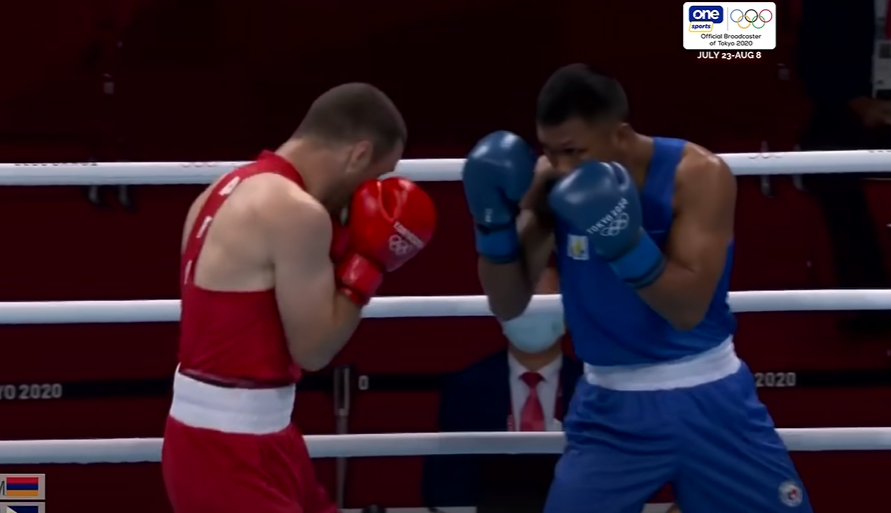
Boxing marked its Olympic debut in the 1904 St. Louis Games, becoming one of the earliest modern Olympic sports. Despite a brief absence from the 1912 Stockholm edition, it reappeared at the 1920 Antwerp Games and has remained a fixture in the prestigious event ever since.
Throughout the years, boxing has captivated and thrilled audiences, showcasing the determination of athletes who endure pain in their quest to stand victorious in the ring.
However, recent developments suggest that the physically demanding combat sport might face suspension in the 2028 LA Olympics, raising uncertainty about the sport’s future and causing concern among athletes and fans alike.
Boxing faces an uncertain long-term future as an Olympic sport after its place at the 2028 Los Angeles Games was confirmed as being "on hold" Monday by the International Olympic Committee.
Boxing has been part of every Olympics since 1920 and will feature at next year's Paris… pic.twitter.com/tjozQzHzve
Thomas Back: ‘We have a problem with its governing body’
In a statement released by Thomas Bach, President of the International Olympic Committee (IOC), last week, he said that although they wanted the sport to be included in the games’ programme, their current relationship with its governing body, the International Boxing Association (IBA), prevents them from doing so.
“We want boxing on the program. We have no problem, with boxing or boxers — we have a problem with the governing body,” Bach said to AFP, according to boxingscene.
Perhaps the bad blood between the Games chiefs and the Russian president of the IBA, Umar Kremlev, was a foreshadowing of this event. Following reports of their strained relationship, it was later announced in June that the IBA had been banned from the Olympic movement, as reported by France24.
A number of crucial facets of the IBA’s administration, including its sanctioned tournaments as well as its finances and governance, prompted the IOC to make its decision.
IOC: Boxing ‘on hold’
Ever since their falling-out incident, the IOC has not recognized any other governing body for boxing. Without an organization to support the sport, the executive board of the IOC has declared that any decision to include boxing in the Los Angeles 28 sports programme is ‘on hold’.
Casey Wasserman, the chairman of LA 2028, has also expressed her thoughts about the issue, saying that while she’d love for the combat sport to be included in the program, it is ultimately up to the IOC whether it’s going to make an appearance in the 2028 Summer Olympics or not.
“Boxing has a great history in the Olympics, has a great history in America as a lineage of boxing champions. So we’d love to see boxing on the programme,” Wasserman said in front of the Mumbai press.
“But obviously it’s a decision that’s going to be taken by the IOC’s membership, given the complexities that exist with the federation. We’re hopeful, but all we can do is wait for the answer.”
While boxing will still be a part of the next Paris Games next year, its inclusion in the Los Angeles edition in 2028 is still up in the air.
Government largesse made China an athletic powerhouse while collegiate sports keeps America a sporting superpower. The two countries, two systems, clashed at the 2024 Paris Olympics, and while both landed the same quantity of gold, the Americans were awash with more silver and bronze.
Yes, the Americans went home with a bigger haul in a virtual repeat of the Tokyo Olympics, where they won one more gold than the Chinese (39-38) and racked up a bigger medal tally (113-89).
Medal tally
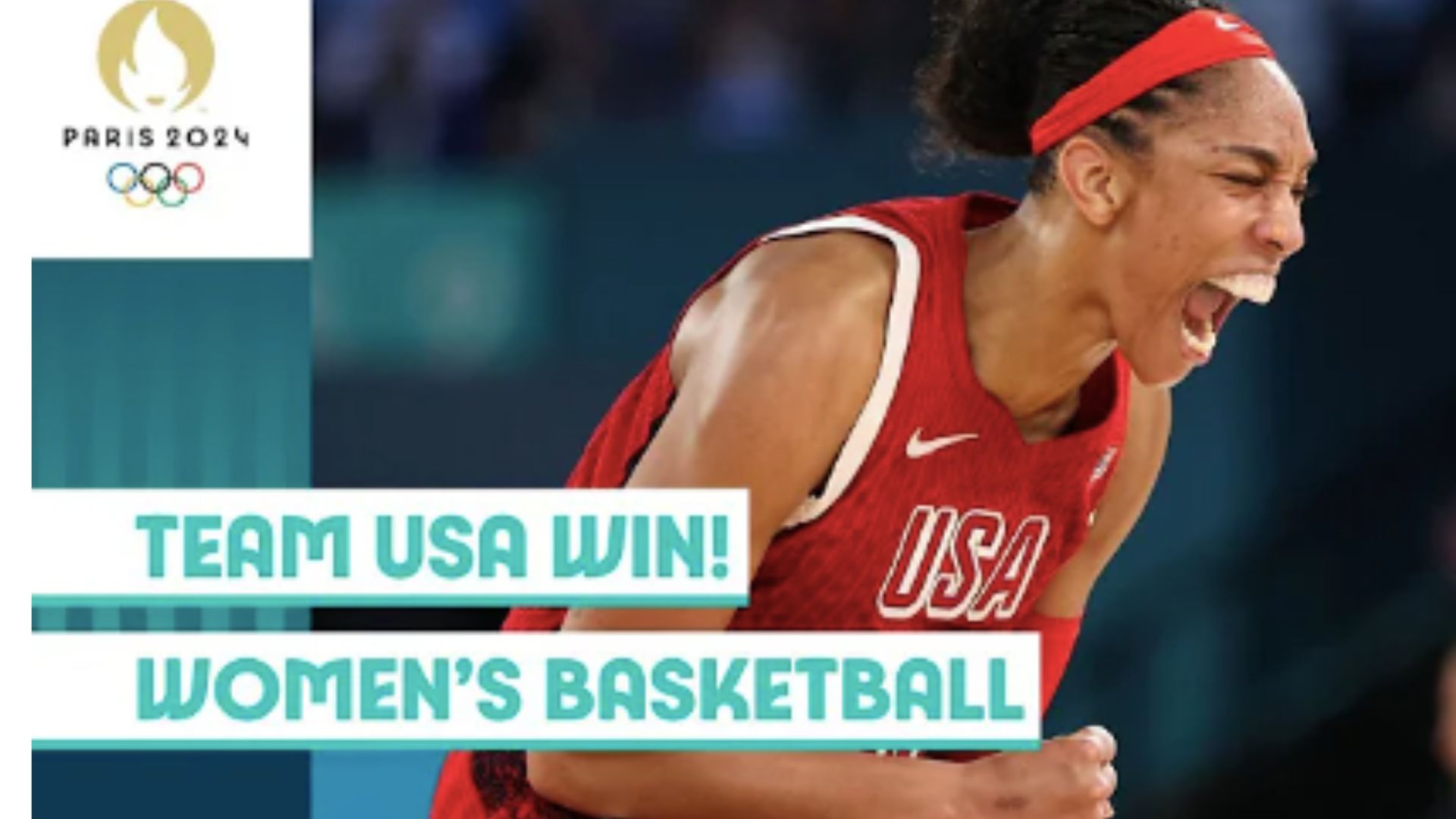
China was leading in the gold haul in Paris until the final day when weightlifter Li Wenwen won the 40th gold medal for China with her victory in the women’s +81 kg. But the Americans caught up to China with two last-day golds — with Jennifer Valente’s victory in women’s cycling and a one-point win over France (67-66) in the women’s basketball final.
So, though China and the USA won 40 gold medals each, the Americans topped the standings for their superior medal tally—44 silver, 42 bronze, 126 medals in all—compared to the Chinese—27 silver, 24 bronze, 91 in all.
“China’s Olympic delegation at Paris 2024 achieved its best overseas performance since it comprehensively participated in a Summer Olympics abroad in 1984, said Zhou Jinqiang, deputy head of the delegation at a press conference held on Sunday,” reported China Daily.
“China’s sports delegation, consisting of 404 athletes competing in 232 events across 30 sports, clinched 40 gold, 27 silver and 24 bronze medals. The haul of gold medals surpassed the 39 golds won at the London Olympics, and a total of 60 athletes claimed golds, marking a new record for overseas Olympic participation, Zhou said.”
At Beijing 2008, China won 48 gold medals and 100 overall.
“You have won glory for our country and people, and we extend warm congratulations and heartfelt compliments to you,” read a message jointly sent by the Central Committee of the Communist Party of China (CPC) and the State Council, China’s cabinet.
“Your outstanding achievements and performances have further ignited the patriotism of Chinese people both at home and abroad, uplifted the national spirit, and united the people towards progress,” added the message.
As the message shows, the Olympics are not just a sporting event but a means to boost Chinese morale and burnish the Chinese image abroad.
China’s billion-dollar sports budget
Karishma Vaswani wrote on Bloomberg: “China has long invested heavily to push its athletes to triumph against the West, as a way of highlighting the merits of the Communist Party. These Olympic Games are no different, but for one key aspect: Citizens are openly questioning why Beijing is spending so much money on a sporting event when many at home are facing bleak economic prospects.”
“China’s budget for sports this year stands at more than $1 billion,” she added. “Compare that to Australia, which also does pretty well in Olympic competitions, but last year only had around a quarter of that at its disposal. American athletes don’t get money from the government, instead they rely on a mix of private sponsorships, philanthropy, broadcast revenue and endorsements.”
The American way delivers great results, too, as the Paris Olympics showed.
How many Americans won medals?
The Washington Post noted: “The Americans won 126 medals, and because of team sports and relays, more than 40 per cent of the team’s delegation of nearly 600 athletes received at least one. Forty-four American athletes won multiple medals and 110 won at least one gold, with that large number stemming from the country’s success in team events.”
The Americans won team events like basketball, women’s gymnastics, men’s 4x400m relay, women’s 4x100m relay, women’s 4x400m relay, women’s 4x100m medley relay, men’s 4x100m freestyle relay, and mixed 4x100m medley relay.
The Chinese won team events such as the men’s 4x100m medley relay, group all-around rhythmic gymnastics, women’s synchronized diving, men’s synchronized diving, men’s artistic gymnastics, men’s and women’s canoe double, men’s doubles, women’s doubles and mixed doubles in badminton. As China Daily noted, 27 of the 40 gold medals won by China came from its six traditionally strong sports — diving, table tennis, badminton, gymnastics, shooting and weightlifting.
The US sporting world is very different. Athletes like sprinter Noah Lyles and basketballer Stephen Curry are celebrities. Their fame and fortune are hard-earned, honed by intensive training and the toughest competition.
US college sports system
As Britain’s two-time Olympic champion and World Athletics president Sebastian Coe, a legendary middle-distance runner, said, “U.S. track and field has a lot to owe to the college system.”
The New York Times says American Olympic officials “know that the American college sports system, which every year sustains and trains thousands of students in Olympic sports — both Americans and international students — is their golden goose.”
Indeed, American colleges and universities train not only American athletes. Top international athletes, too, like the swimmer Leon Marchand of France and the sprinter Julien Alfred of Saint Lucia, have been trained in America. Marchand was a member of the Arizona State University swim team, Alfred trained at the University of Texas.
The overwhelming majority of Olympic medals come from sports that have a presence on college campuses, says the Times.
No amount of government largesse, like the billions reportedly spent by China, has yet reduced the US college-trained athletes to also-rans. In fact, as the Paris Olympics showed, the latter still have an edge.
With less than a year to go, preparations are in full swing for the 2024 Paris Olympic Games. By this time, qualified athletes are now putting in endless hours of training in hopes of clinching gold medals and bringing honor and glory to their respective countries. And those who haven’t yet qualified are undoubtedly getting ready to compete in an Olympic qualifying event to secure their spot at the Games next year.
But beyond the hopeful athletes, various organizations and committees are also working hard to make the event a success, not only for the sake of the athletes but also to ensure their accomplishments have a global impact.
In light of their recent announcement, Olympics.com has just announced that the International Olympic Committee (IOC), French Development Agency (AFD), and the Organising Committee for the Olympic and Paralympic Games Paris 2024 have signed a tripartite agreement that will seek to expand the legacy left by the Olympics. This new agreement is in line with IOC’s Olympism365 strategy, which aimed to bring various organizations and networks together in order to make sport and Olympism accessible 365 days a year in four key areas: health and active communities; more equitable and inclusive communities; peace and safer communities; and education and livelihoods.
The goal of this tripartite agreement is to scale up the “Impact 2024 International” program that was first set up in 2021 by the AFD in partnership with Paris 2024. The Impact 2024 International is basically a program that strengthens the social role of sport in Africa.
To cite its accomplishments, the “Impact 2024 International” program, over the last three years, has funded 45 projects in 19 African countries (South Africa, Algeria, Benin, Cameroon, Côte d’Ivoire, Ghana, Guinea, Kenya, Lesotho, Madagascar, Morocco, Uganda, the Democratic Republic of the Congo, Rwanda, Senegal, Tanzania, Togo, Tunisia, and Zambia) that had over 77,469 beneficiaries. The total fund for those projects was said to be 1.4 million euros, which had an average fund of 29,300 euros for each project.
With the tripartite agreement signed, this will help increase the funds for the local programs and help scale their environmental and social impact. With IOC’s additional investment, the agreement seeks to leverage the impact, knowledge, and innovation generated by these projects over the last three years while enabling participants to engage and learn from one another.