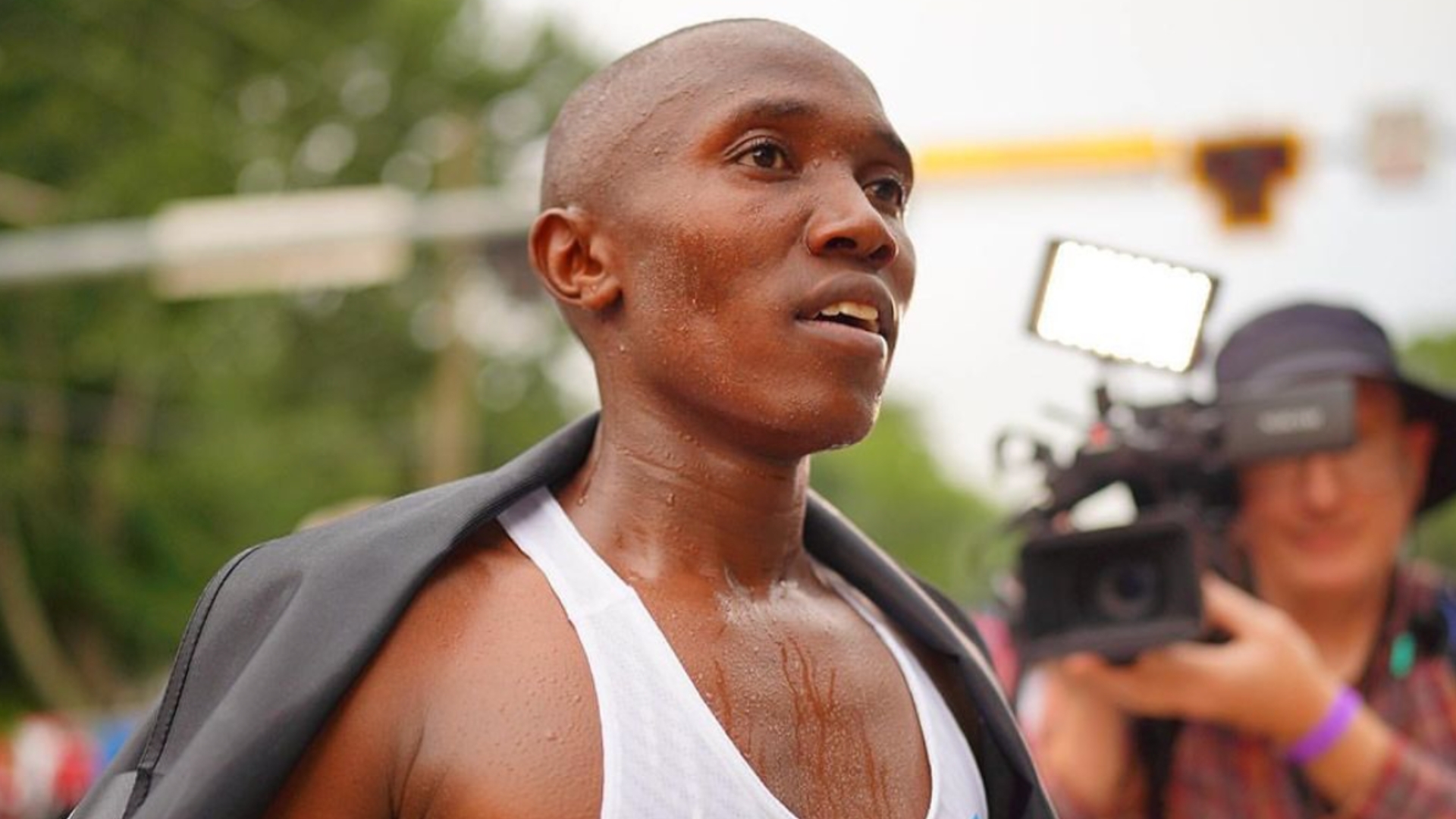
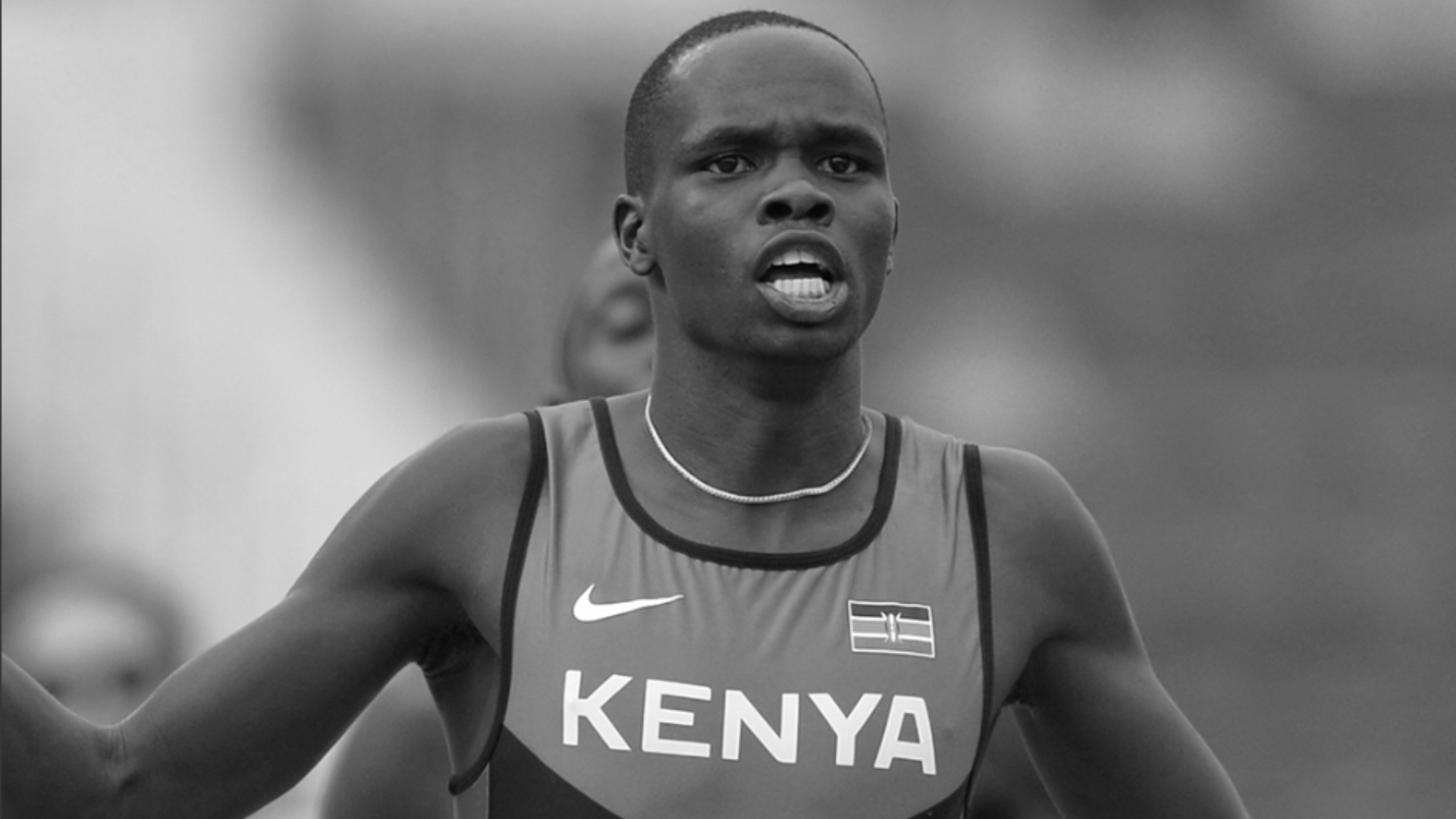
Kenya’s Rhonex Kipruto, the world record holder for the 10km road race, has been banned from competing for six years because of anomalies discovered in his Athlete Biological Passport.
A disciplinary tribunal ruled that the abnormalities found in his blood samples pointed to doping.
As a result, the 24-year-old will lose his world record and the 10,000-metre bronze medal he won at the 2019 World Championships.
He set the 10-km record of 26 minutes, 24 seconds in Valencia in 2020 but finished a disappointing ninth in the 10,000 metres at the Tokyo Olympics in 2021.
Kipruto, who was suspended on May 11, 2023, for violating anti-doping regulations, will now be barred from athletic competitions until May 2029. Thus, he will miss out on the upcoming 2024 Paris Olympics and the 2028 Los Angeles Olympics.
Reason behind the ban
The Athlete Biological Passport is an electronic record that records an athlete’s biomarkers over their career. Officials are alerted that an athlete may be doping if these markers fluctuate significantly.
The Athletics Integrity Unit (AIU) said: “The Tribunal rejected Kipruto’s defence, concluding the ’cause for the abnormalities in the ABP is more likely to be due to blood manipulation’ such as through the use of recombinant human erythropoietin (rEPO).”
“There was ‘no other plausible explanation’ for the abnormal values,” the AIU added.
Kipruto may file an appeal with the Court of Arbitration for Sport over the ruling.
In an Instagram post, the athlete told his side of the story, stating: “I don’t cheat or dope! The truth is on my side. This is all I can say.”
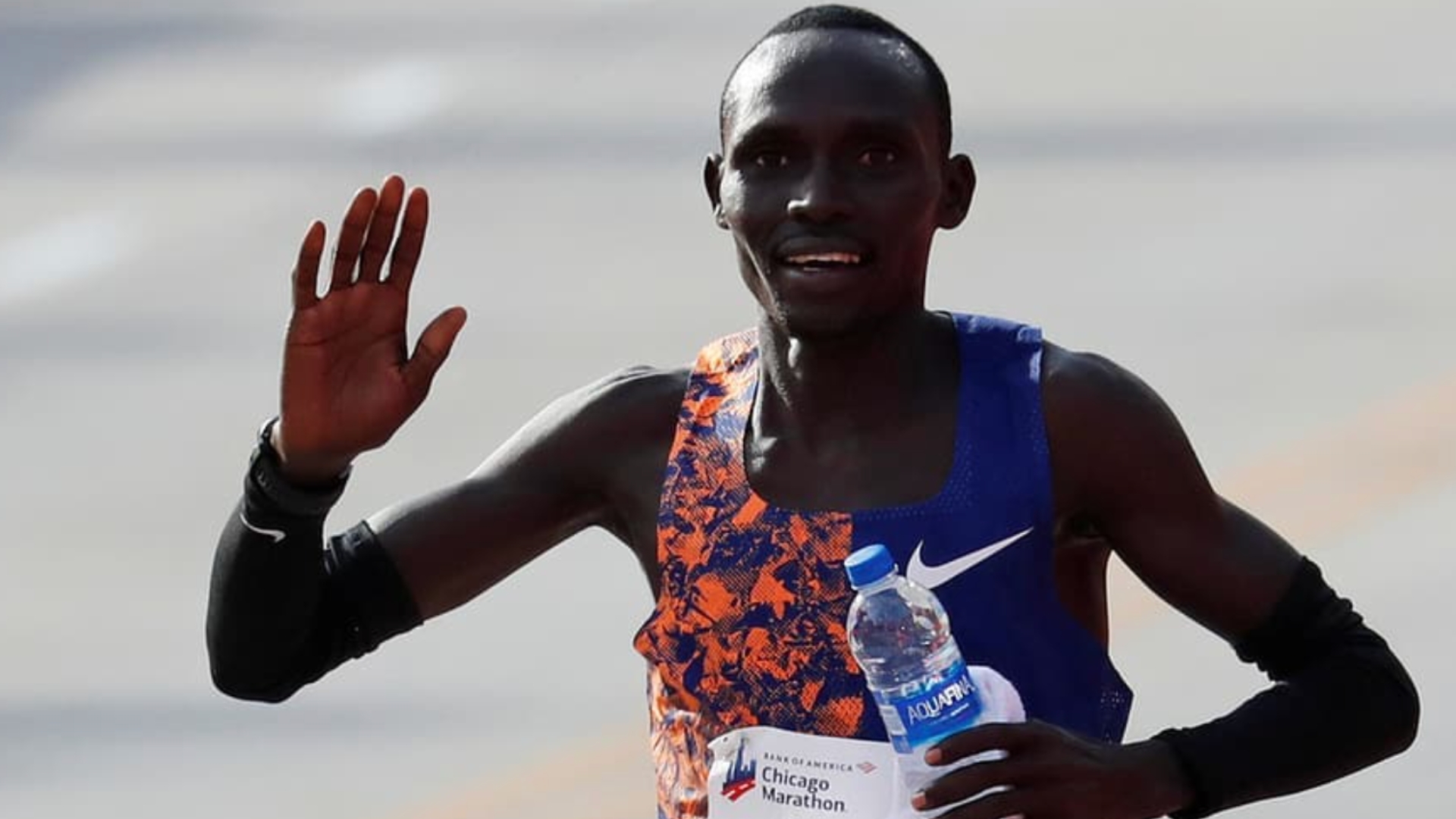
Lawrence Cherono, a Kenyan marathon runner, was banned for seven years for breaking anti-doping regulations.
Following the four years for testing positive for a prohibited substance, the 35-year-old athlete was also handed four years for trying to obstruct or distort the inquiry, which was shortened by one year for early admission and acceptance of the penalty.
In July 2022, Cherono was placed on temporary suspension following a positive test result for the cardiac drug trimetazidine (TMZ). Unfortunately, he won’t be permitted to compete until 2029 because the ban is relevant to his first suspension.
On Cherono changing the story
The former Chicago and Boston marathon winner initially blamed the positive test result on an injection he received from a physician for stomach pain treatments. Cherono then altered his narrative, claiming that his wife’s prescription had been mixed up.
“This decision is testament to the tireless and persistent efforts of the AIU in investigating doping and the explanations provided for positive tests,” the Head of the Athletics Integrity Unit (AIU) Brett Clothier said.
He added: “The AIU will leave no stone unturned in carrying out its mandate.”
In other related news, Russian figure skater Kamila Valieva tested positive for TMZ just before the 2022 Winter Olympics, leading to a four-year ban earlier this year. Moreover, the China Anti-Doping Agency concluded that 23 Chinese swimmers who tested positive for the drug in 2021 were able to compete at the Tokyo Games because they had accidentally consumed the substance through contamination.
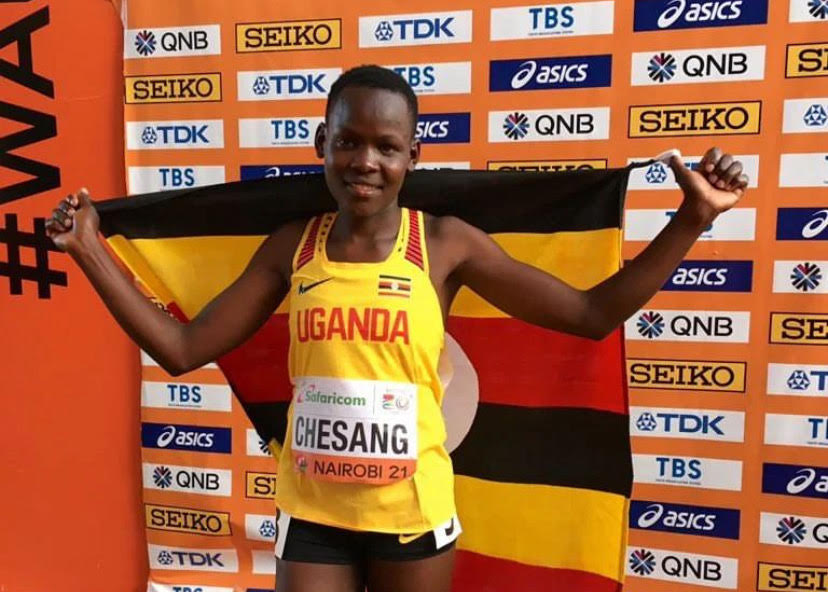
The Athletics Integrity Unit (AIU) has just announced the latest athlete that’s been provisionally suspended for doping, and to the shock and dismay of many, it was Uganda’s very own rising middle- and long-distance runner, Prisca Chesang.
Chesang’s suspension
Doping is often seen as a last resort for athletes who have exhausted all other avenues for success in the sport, so Chesang’s involvement with doping and suspension came as a complete surprise, as she was on the cusp of success.
The youngster has had her fair share of achievements in recent years. The Ugandan athlete had won the bronze medal in the 5000 metres and placed fourth in the 3000 meters at the 2021 World Athletics Under-20 Championships. The following year, Chesang replicated her victory in the 5000 meters event and again snagged a bronze medal for her country.
Her win at the 2022 edition was especially noteworthy and well-received because it was Uganda’s only medal in the competition.
Prisca Chesang does it again. Just like it was in Nairobi last year the teenager clinches Uganda's only medal at the #WorldAthleticsU20 Championships in Cali Colombia after finishing 3rd in the Women's 5000m finals with a time of 15:31:17. One for the future, what a talent!!! pic.twitter.com/7u4Bc3jLV0
In addition, Chesang also competed in the 10-kilometer San Silvestre Vallecana road race in 2022, finishing ahead of a strong field of many older and more seasoned long-distance runners. She beat Francine Niyonsaba and Beatrice Chepkoech to win the title in an incredible time of 30:19.
Her accomplishments stood testament to her talents and skills that were well beyond her years, and there was no doubt that she was poised to become one of Uganda’s most outstanding track and field athletes.
However, with AIU’s latest findings and suspension, Chesang’s career will be forced to take a back seat.
AIU’s report
Declared on December 6, the AIU has provisionally suspended Chesang for the ‘presence or use of a prohibited substance’ called Furosemide, which is a flagrant breach of the World Anti-Doping Rules. The 20-year-old has been charged under Articles 2.1 and 2.2 of the World Anti-Doping Agency (WADA).
According to Running Magazine, furosemide has been prohibited by WADA for decades because, despite being a diuretic medication that increases urination and helps the body rid itself of excess water and salt, it also hides the presence of other performance-enhancing substances in the body.
The AIU has provisionally suspended Prisca Chesang (Uganda) for the Presence/Use of a Prohibited Substance (Furosemide).
Kipyegon Bett, a former world under 20-athletics champion, died in Bomet, Kenya, at the age of 26 due to a brief illness.
The 800-metre specialist finished in first place in his junior world championship in 2016, and he finished third in the senior world championship the following year in London. In 2018, the athlete was given a four-year doping penalty which led to the end of his rising career, and upon his comeback, he struggled.
His sister, Purity Kirui, said: “He had been sick, complaining of stomach pains for about a month. The doctors said he had a liver problem and had been in and out of hospital… Last week we took him to hospital after he started vomiting blood and he was admitted. I went to see him [on Sunday] morning and he told me he was in pain.”
She added: “He told our dad, who is a pastor, to pray for him because he didn’t feel he would survive and after 12 noon he died. We tried everything to save him, but he left us. It’s very painful.”
According to Barnaba Korir, an official for Athletics Kenya, Bett is “one of the world’s most talented half-milers” and a “polite, easy-going, extremely amiable” athlete.
Anti-doping rule violations
Kipyegon Bett was one of the famous Kenyan athletes whom the Athletics Integrity Unit banned for anti-doping rule violations. He was suspended in August 2018 for refusing to submit a sample and subsequently tested positive for erythropoietin (EPO).
Her sister stated: “When Kipyegon was banned he started drinking a lot, wouldn’t eat well and suffered depression…We tried to help him stop drinking, but whenever we wanted to take him to rehab he would disappear from home for days.”
She further said: “I expected him to come back to athletics once his ban was over, but he couldn’t do so due to many challenges…. I think sometimes once an athlete is banned there’s some depression and getting into activities that cannot support an athletics career.”
Doping allegations really aren’t rare in the sports community anymore. So many athletes have received punishment and have fallen from grace because of it. Their previous achievements were revoked, and their remaining potential was left untapped because of one wrong decision.
The latest athlete to be caught up in doping allegations is none other than the two-time grand slam champion, Simona Halep. The Romanian tennis player, however, continues to challenge the allegations in her latest X post, entitled “My fight continues”.
Halep’s Doping Case
At the 2022 U.S. Open, the 31-year old tennis star was eliminated in the first round of the tournament after losing to Ukraine’s Daria Snigur. But what’s more devastating than her loss, was the news that she tested positive for the AAF, a standard test for the presence of a prohibited substance in a person’s urine. She tested positive for an illegal substance known as “Roxadustat”.
In May of this year, the ITIA found some discrepancies in her ABA (Athlete Biological Report) that were said to be the effects of doping and subsequently filed a second charge against her.
The tribunal ruled on September 11, 2023, that the player had committed an intentional anti-doping rule violation pursuant to Article 2 of the Tennis Anti-Doping Programme (TADP).
Although Halep had argued that she had taken a ‘contaminated supplement’, they said that even if this was the case, the results shouldn’t have produced such a substantial volume of Roxadustat.
Halep has since been provisionally banned for four years. This was made official last October 2022.
So, what is a Roxadustat?
Roxadustat is a medicine for the treatment of anaemia associated with chronic renal disease.
This medicine helps your body make more red blood cells. It does this by making sure your body absorbs iron better and makes more red blood cells, it also helps your body produce more erythropoietin and lowers your hepcidin levels.
So, why are athletes not allowed to ingest this? As mentioned above, this increases red blood cell production, meaning that it also increases the oxygen that’s available to one’s body. And, this can be especially beneficial for athletes due to its ability to improve endurance.
She posted in her X account a recount of what she has gone through in the past year and how she was unfairly charged by the ITIA.
She said that she believes in a clean sport and has undergone 200 blood and urine tests that all came out clean until August 29, 2022.
She also explained that she had altered her nutritional supplements at that time, in accordance with the advice of her team and physiotherapist. However, it has since been discovered that the supplement she was taking was contaminated with the illicit drug Roxadustat, which is why her AAF tests showed a positive result.
She proceeded to blast the ITIA’s experts, claiming they only filed charges for discrepancies in her athlete passport after they knew who she was.
“This group ignored the fact no prohibited substance has ever been found in my blood or urine samples with the sole exception of one August 29 positive for roxadustat, which was present at an extremely low level and which, when considering my negative test three days prior, could only have been caused by accidental exposure to roxadustat.”
Patrick Mouratoglou also released a statement regarding Halep’s four-year ban in his X account, in which he supported the tennis champion.
“I do not believe that the ITIA looked for the truth in Simona’s case, and I do not believe that they treated her in a way that is acceptable. I hope that the WTA, ATP, and PTPA will do their best to change a system that is destroying the careers of innocent players.”
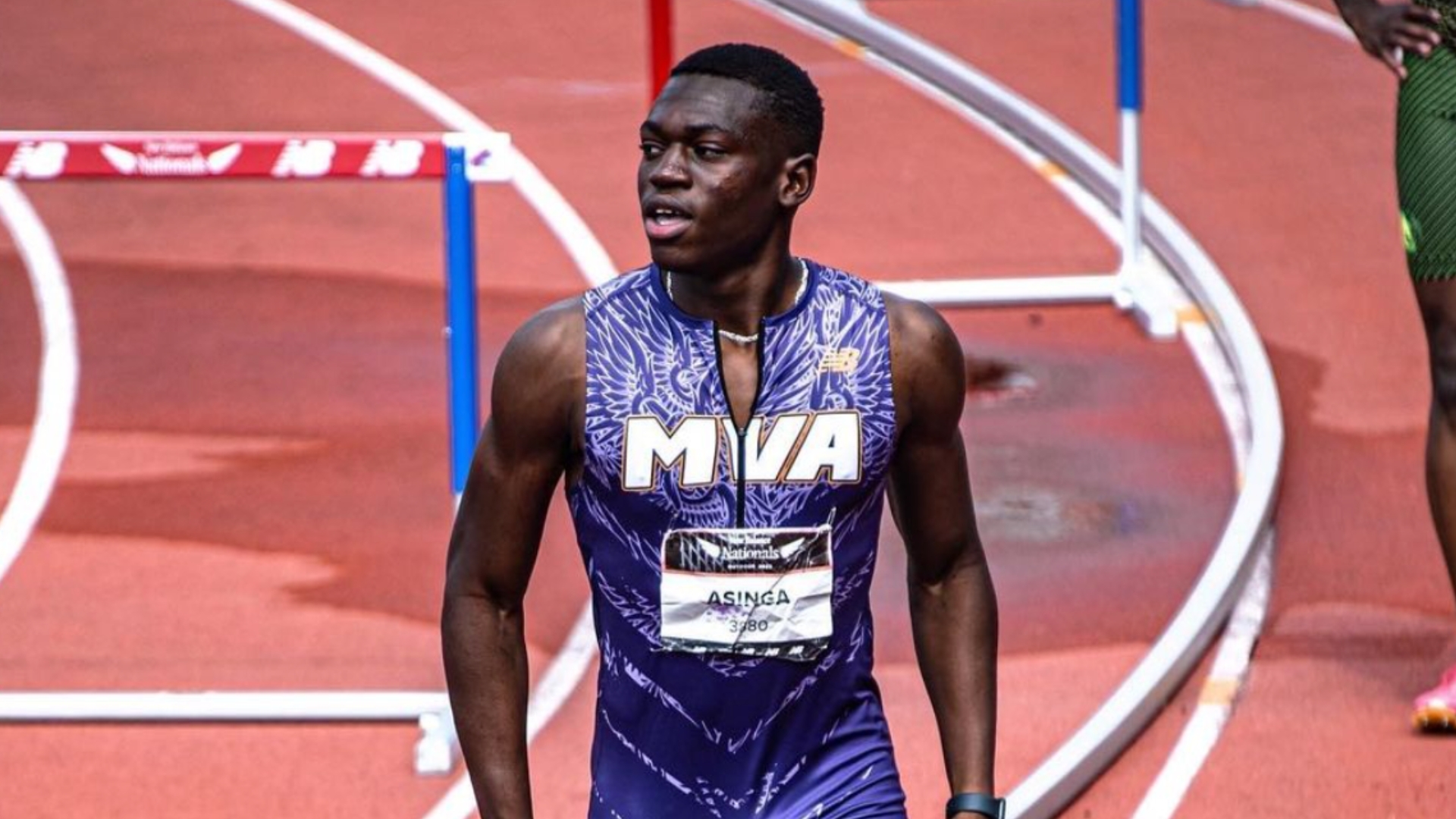
One of the most historical sprinting moments happened on July 28, 2023 at the South American Championships when Issam Asinga broke the world junior record by having a time performance of 9.89 seconds for the men’s 100-meters. The eighteen-year-old athlete was there and then renounced as one of the few teenagers throughout the track and field history to ever make a record of less than 10 seconds in the said division.
Despite being on top for a time, Asinga’s world record currency does not stand due to his 4 year ban in participating at any track and field competition.
There has been an investigation on whether the youngster had used performance-enhancing drugs, and whether or not it was intentional. He tested positive for the GW-1516, a metabolite and a banned substance in track and field. The said culprit for this was the Gatorade Recovery and Immune Support Gummies, which was given last season to Asinga after he won the high school Gatorade track and field athlete of the year.
Asinga Suspended
After being positive, he was suspended and was not able to compete in the 2023 World Championships. Recently, the issue deepened when the search was all about knowing if he intentionally took the illegal substance, or if the gummies were laced with it in the distribution process. The Athletics Integrity Unit (AIU) later claimed that the gummies were not part of an unclean working environment, and were suspecting that the illegal drug was laced after the distribution process whether by Asinga, his coaches, or anyone from his team.
Due to this, Asinga’s punishment was 4 years of banishment away from track and field, and could not compete in any international competition. However, he can still train if he wishes to stay in the sport.
Asinga can only compete legally by August 2027. As per the AIU, this is a standard practice under any circumstances. If he decides to stay in the sport, he can compete at the next Olympics in Los Angeles by the year 2028.